


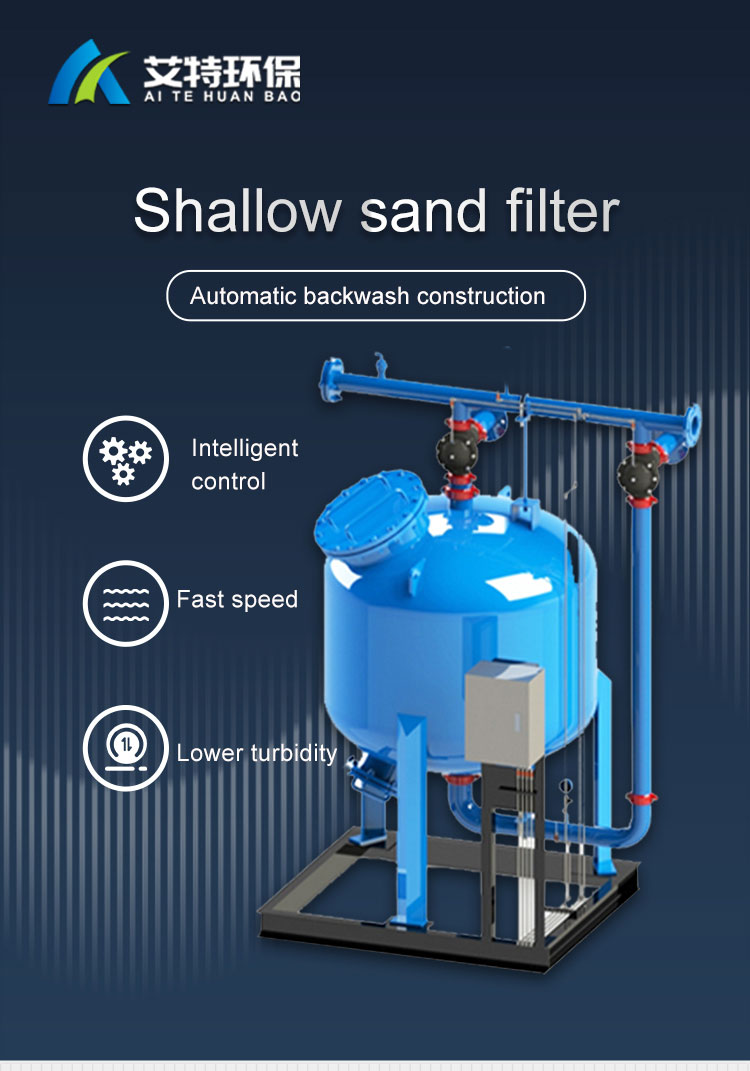
Multi-Cell Shallow-Bed Sand Filtration System – This system features multi-cell shallow-bed sand filtration and intelligent constant-pressure backwashing, ensuring uninterrupted supply, high precision, compact footprint – ideal for industrial and agricultural water treatment applications.
Principle of Filtration
Filtration State:
During normal filtration, raw water enters the system and is evenly distributed across
each of the four (4) standard filter cells via a specially designed water distributor.
The water flows in a laminar pattern through the filter media bed—composed of high-purity
quartz sand or garnet—ensuring optimal contact time and trapping efficiency.
Suspended solids and particulates are retained within the media layer.
At the bottom of each filter cell, a network of uniformly spaced water collectors draws
the clarified water evenly, enabling high-flow-rate advection filtration without compromising
effluent quality.
Backwash State:
As contaminants accumulate within the media bed, the internal pressure differential
between the inlet and outlet gradually increases. Once this pressure head loss reaches a
preset threshold, the system’s built-in constant-pressure control unit automatically initiates
the backwash sequence. The hydraulic valve sequentially redirects water flow to isolate
and backwash each standard filter cell individually—ensuring thorough cleaning with
minimal water usage and no media loss.
During backwashing, the filtration process remains uninterrupted. Only the cell undergoing
backwashing is temporarily taken offline; all other cells continue to filter normally.
A portion of the clean, filtered water from the online cells is used as the backwash source,
while the remainder is delivered to the end-user. Backwash wastewater is discharged
through the dedicated outlet of the hydraulic valve. The advanced collector design promotes
media-to-media friction during backwashing, significantly improving cleaning efficiency
and reducing the volume of clean water required—typically less than 3 m³ per cycle,
with a backwash duration of 2–3 minutes per cell. Once the pressure head returns to
normal levels, the system resets and prepares the next cell for its scheduled backwash cycle.
Product Features
1. Compact Footprint & Flexible Installation
Space-saving, lightweight design supports both indoor and outdoor installation—
no civil works required. Adaptable to layered or elevated mounting, offering excellent
corrosion resistance and long service life.
2. High Filtration Efficiency
Normal filtration velocity reaches approximately 40 m/h, with peak performance up
to 60 m/h depending on influent quality. Filtration accuracy can capture particles smaller
than 0.10 mm, and effluent turbidity can be reduced to below 0.5 NTU. Modular design
allows system expansion from 30.6 m³/h up to 2,500 m³/h.
3. Intelligent Automated Backwashing
Fully automatic control system monitors differential pressure and initiates backwashing
without manual intervention. The system adapts dynamically to fluctuating suspended
solids loads, ensuring consistent performance.
4. Uninterrupted Water Supply
Backwashing occurs on a cell-by-cell basis while the rest of the system continues
filtering—guaranteeing 24/7 water availability.
5. Superior Water Distribution & Collection
Patented flow distribution and collection technologies maintain laminar flow throughout
the filter bed, keeping the media surface level and stable, which directly contributes to
consistent effluent quality.
6. Premium Filter Media Options
Utilizes refined quartz sand or garnet as the filtration medium. Homogeneous media
with particle sizes as fine as 0.16 mm can be selected based on specific water quality
requirements.
7. Low Operating & Maintenance Costs
No additional backwash pump or booster pump is required. The sequential backwashing
design eliminates peak power demand. Compared to conventional sand filters,
the required pump head is reduced by 6–7 meters, delivering significant energy savings over
the equipment lifecycle.
Application Scope
· Industrial process water (steelmaking, boiler feed, heat exchanger protection)
· Industrial recirculating cooling water systems
· Raw water treatment (rivers, lakes, reservoirs, seawater, wells, municipal supply)
· Agricultural irrigation (drip, sprinkler, golf courses, parks)
· Food & beverage processing, pulp & paper, pharmaceutical and medical purified water
· Industrial wastewater recycling and aquaculture/water recreation facilities
FAQ (Frequently Asked Questions)
Q1: How does the system maintain uninterrupted water supply during backwashing?
A: The system features cell-by-cell sequential backwashing. Only one filter cell is taken offline
for cleaning at a time, while all other cells continue normal filtration. A portion of the clean water
from the online cells serves as the backwash source, while the remainder is delivered to the
end-user—guaranteeing 24/7 water availability.
Q2: What triggers the backwashing process, and is manual intervention required?
A: The backwash cycle is triggered automatically by the built-in constant-pressure control unit
when the internal pressure differential (head loss) reaches a preset threshold. No manual
intervention is needed—the system dynamically adapts to fluctuating suspended solids loads for
consistent performance.
Q3: How much water is consumed per backwash cycle, and how long does it take?
A: Each backwash cycle consumes less than 3 m³ of water per cell, with a duration of only 2–3 minutes per cell.
The advanced collector design promotes media-to-media friction, significantly improving cleaning efficiency
and minimizing clean water requirements.
Q4: What filtration velocity and precision can this system achieve?
A: Normal filtration velocity reaches approximately 40 m/h, with peak performance up to 60 m/h
depending on influent quality. Filtration accuracy captures particles smaller than 0.10 mm,
and effluent turbidity can be reduced to below 0.5 NTU.
Q5: What filter media are available, and can they be customized?
A: The system utilizes high-purity quartz sand or garnet as the filtration medium. Homogeneous
media with particle sizes as fine as 0.16 mm can be selected based on specific water quality requirements,
offering flexibility for different applications.
Q6: What is the system's capacity range?
A: The modular design allows system expansion from 30.6 m³/h up to 2,500 m³/h, making it suitable
for both small-scale and large-scale industrial and agricultural water treatment applications.
Q7: Does the system require additional pumps for backwashing?
A: No. No additional backwash pump or booster pump is required. The sequential backwashing design
eliminates peak power demand. Compared to conventional sand filters, the required pump head is
reduced by 6–7 meters, delivering significant energy savings over the equipment's lifecycle.
Q8: What installation requirements does this system have?
A: The system features a compact, lightweight design that supports both indoor and outdoor
installation—no civil works required. It is adaptable to layered or elevated mounting,
offers excellent corrosion resistance, and has a long service life.
Q9: What industries and applications is this system best suited for?
A: It is widely used across many sectors, including:
· Industrial process water (steelmaking, boiler feed, heat exchanger protection)
· Recirculating cooling water systems
· Raw water treatment (rivers, lakes, reservoirs, seawater, wells, municipal supply)
· Agricultural irrigation (drip, sprinkler, golf courses, parks)
· Food & beverage, pulp & paper, pharmaceutical and medical purified water
· Industrial wastewater recycling and aquaculture/water recreation facilities
Q10: How does the water distribution system ensure consistent effluent quality?
A: The system uses patented flow distribution and collection technologies that maintain laminar
flow throughout the filter bed. This keeps the media surface level and stable, ensuring optimal
contact time and trapping efficiency—directly contributing to consistently high-quality effluent.
Q11: What maintenance is required, and how often?
A: Maintenance requirements are minimal. The system's intelligent self-cleaning mechanism handles
routine backwashing automatically. Periodic inspection of the filter media level and condition is
recommended, but the homogeneous media bed design minimizes stratification and media loss.
The low operating and maintenance costs are a key feature of this system.
Q12: Can this system handle fluctuating influent water quality?
A: Yes. The intelligent control system dynamically adapts to changing suspended solids loads by
adjusting backwash frequency based on real-time pressure differential monitoring, ensuring
stable effluent quality even under variable feed conditions.
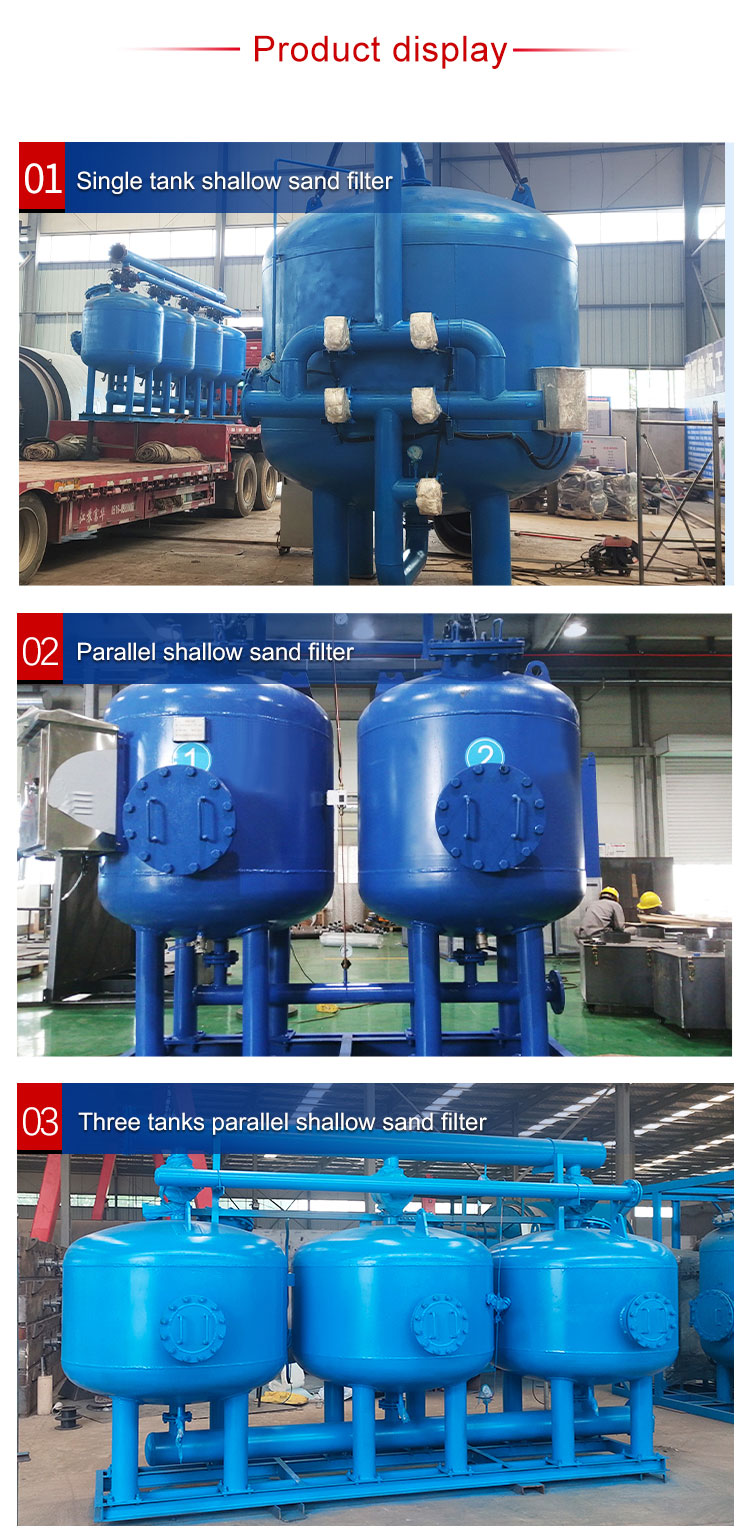
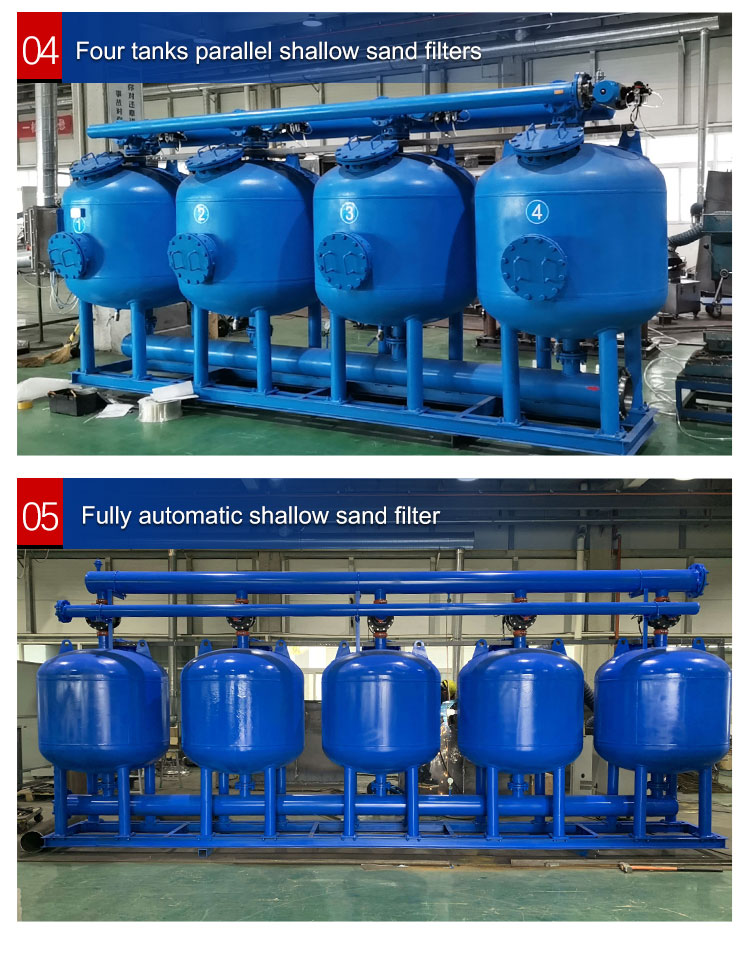
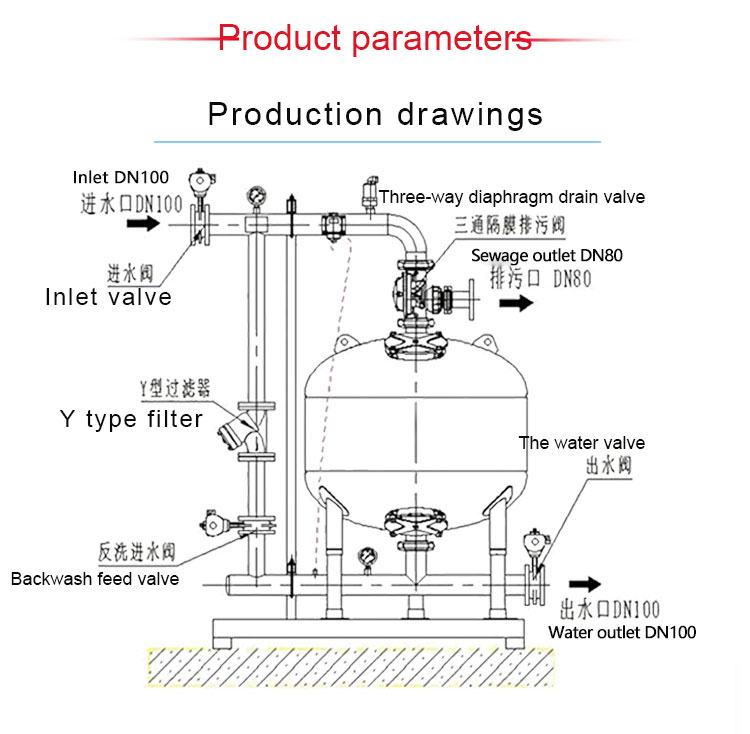


High-efficiency multi-cell filtration with smart self-cleaning and stable effluent quality.
Similar ProductsVIEW MORE >
WhatsApp / Wechat: +8613273719759
Factory Address: Zhengshang Navigation Square, South Hanghai Road, Erqi District, Zhengzhou City, Henan Province P.R.China.


 Export01@aiteeps.com
 ++8613273719759
