
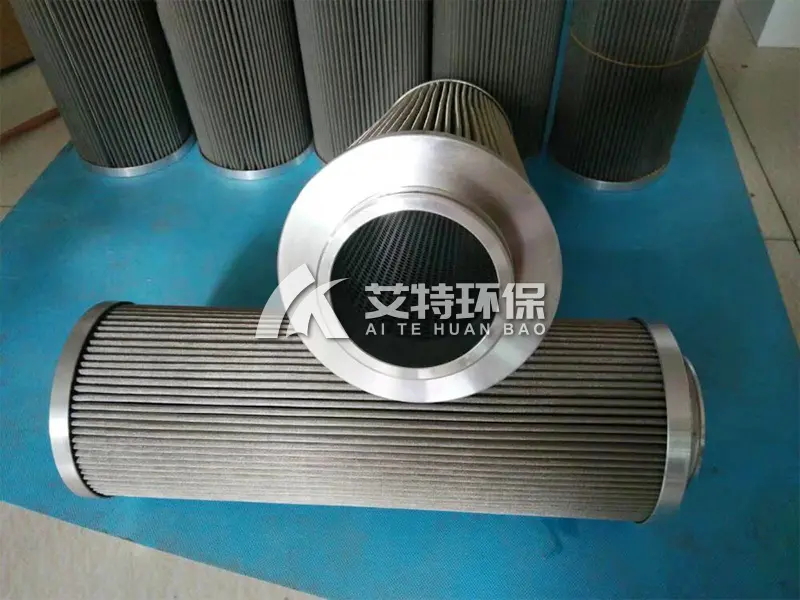
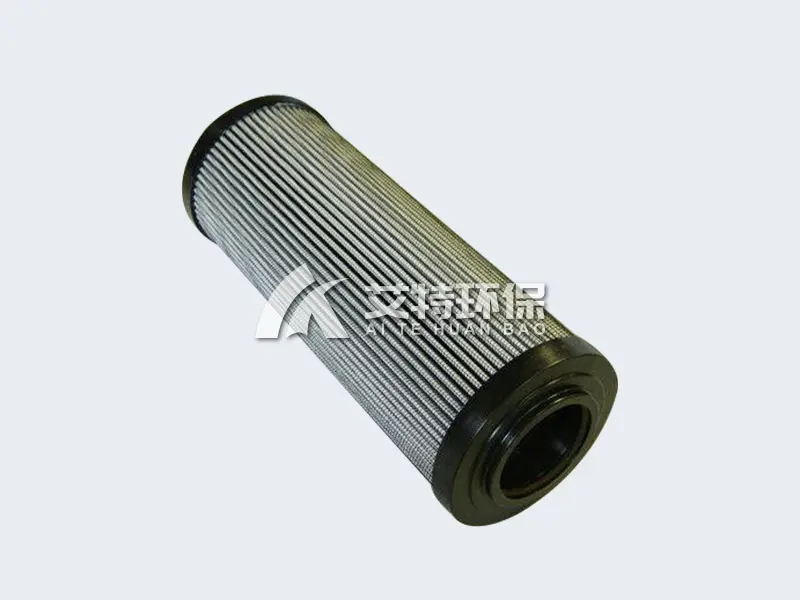
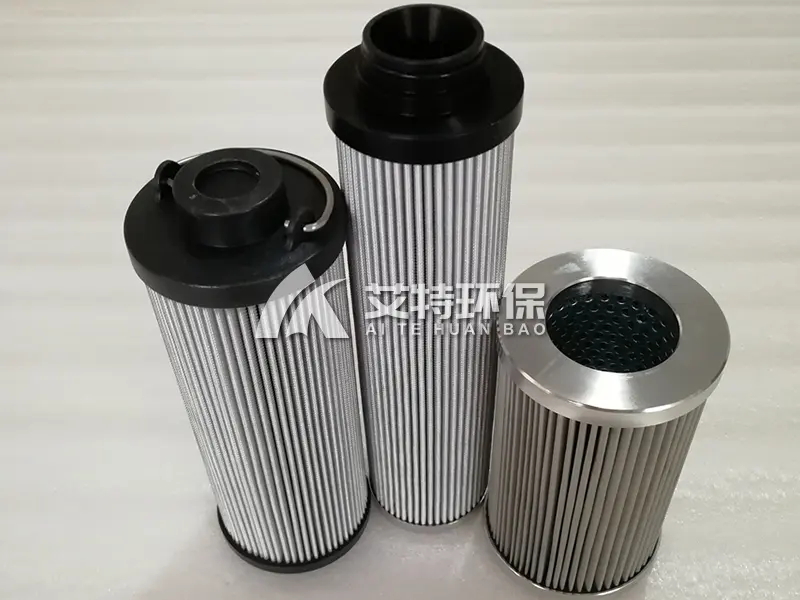
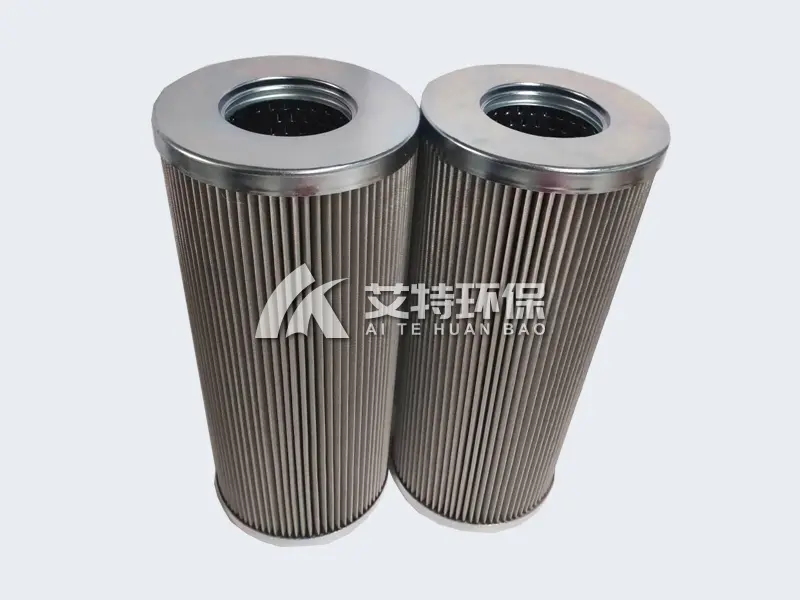
R920016829 filter element is an indispensable part of the pipeline series of the transmission medium. It is usually installed in the inlet filter of the hydraulic system.
1. Product Overview
The R920016829 filter element is an essential component in pipeline-type hydraulic and fluid transmission systems.
Typically installed at the inlet filter of hydraulic circuits, this element cleans hydraulic oil by removing metal particles,
contamination impurities, and other harmful substances from the fluid medium, thereby protecting equipment and ensuring
normal system operation.
Engineered for direct interchangeability with original specifications, the R920016829 features precisely matched dimensions,
sealing interfaces, and thread types—enabling drop-in installation without housing modifications. Manufactured with
high-quality imported materials, it delivers reliable filtration performance across a wide range of industrial applications.
Please note: Aite is an independent manufacturer and not an authorized distributor of the original brand. Our replacement
elements are engineered to meet or exceed original performance specifications at a competitive price point.
2. Technical Specifications
Parameter Specification
Model Number R920016829
Working Medium General hydraulic oil
Working Pressure Range 21 ~ 210 bar (2.1 ~ 21 MPa)
Filtration Precision 1 ~ 100 μm (multiple ratings available)
Operating Temperature Range –30°C ~ +100°C
Seal Material FKM (fluororubber) / NBR (butyl rubber) – optional
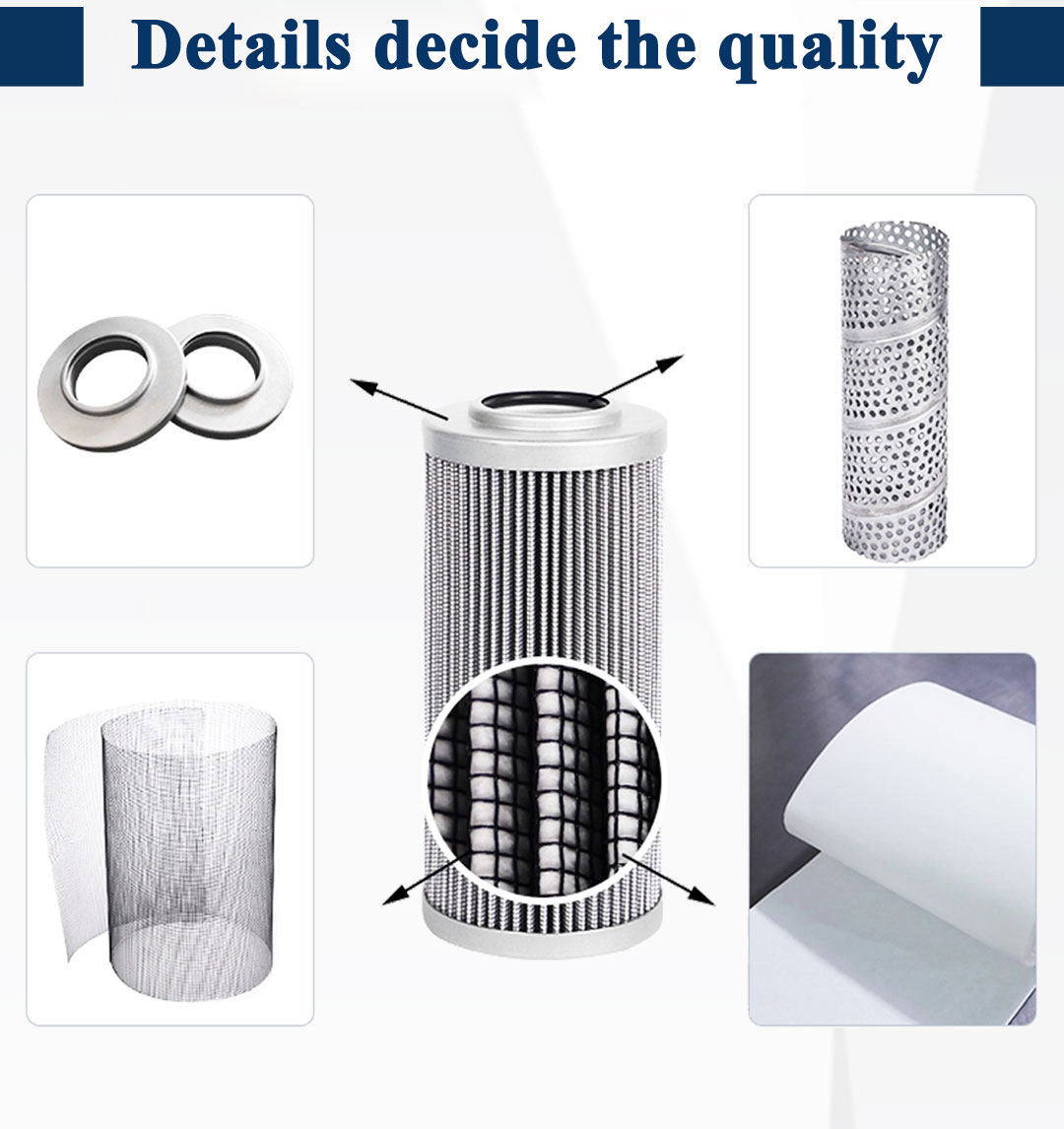
Filter Media US-imported hydrophobic/oleophobic fiber
Support Skeleton Anti-corrosion reinforced nylon end caps + corrosion-resistant framework
Beta Ratio βₓ ≥ 200 (ISO 16889)
Flow Direction Outside-in
All geometric dimensions—outer diameter, inner bore, height, and thread—are verified with CMM inspection to ensure 100%
interchangeability with original housings.
3. Key Features and Advantages
Feature Benefit
Superior air permeability US-imported hydrophobic/oleophobic fiber media combined with high-permeability, high-strength
framework minimizes flow resistance and pressure drop.
Excellent filterability German fine-porous sponge structure effectively prevents oil and water carryover by high-speed airflow;
coalesced droplets gather at the lower end of the sponge and drain to the filter container bottom.
Reliable air tightness Precision sealing rings at the element-housing junction prevent airflow bypass, ensuring all fluid passes
through the filtration media—no shortcuts, no contamination breakthrough.
Strong corrosion resistance Anti-corrosion reinforced nylon end caps and corrosion-resistant filter skeleton enable reliable
operation in harsh, humid, or chemically aggressive environments.
High dirt-holding capacity Optimized media structure retains significant contaminants without premature pressure rise,
extending service life.
Cost-effective alternative 40–60% savings over genuine parts, with equivalent or superior performance validated by ISO 16889
testing.
Complete documentation EN 10204 Type 2.1 material certificates and performance test reports included with every shipment.
4. Application Fields
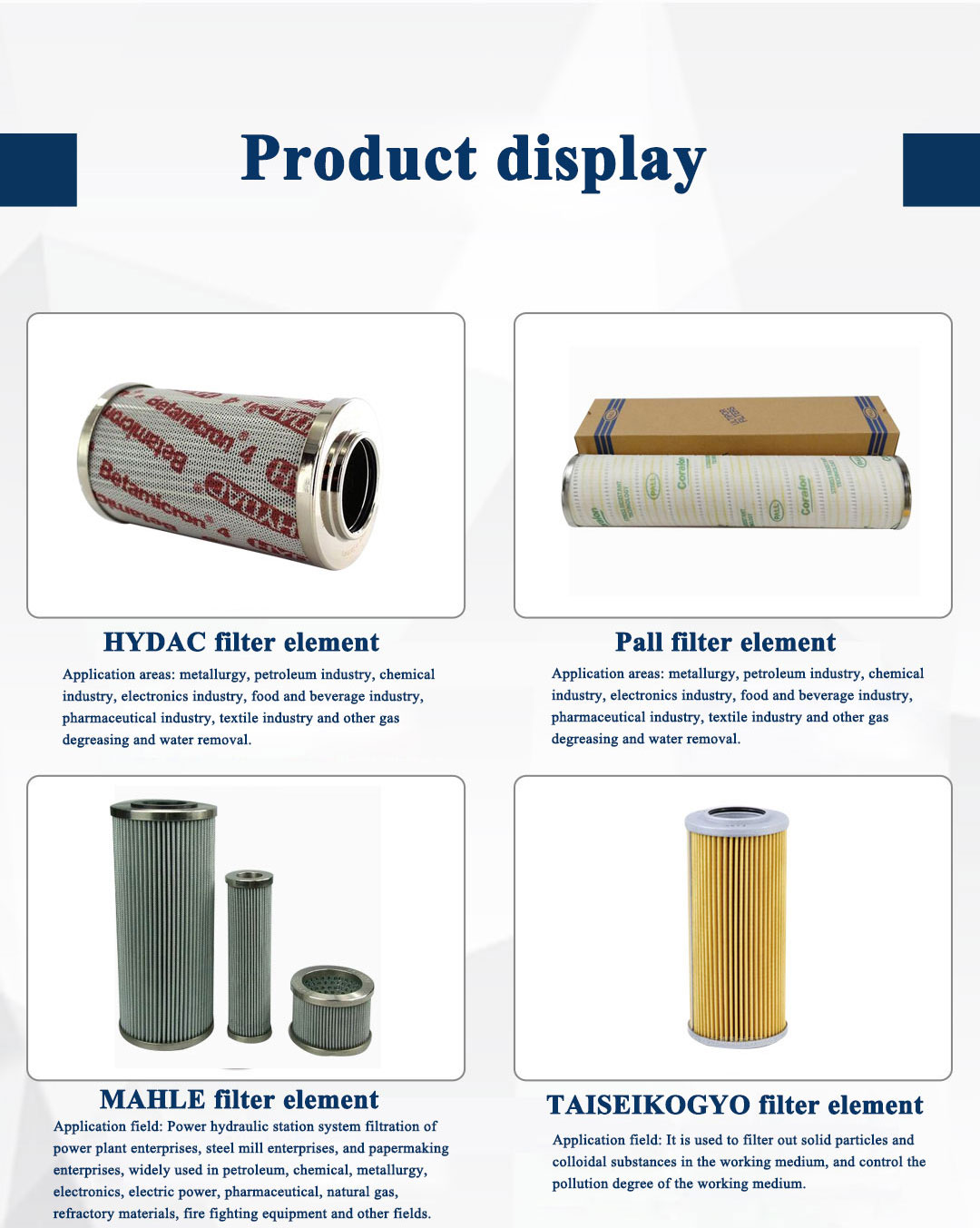
The R920016829 filter element is widely used across diverse industries due to its versatility and reliable filtration performance:
Industry Specific Applications
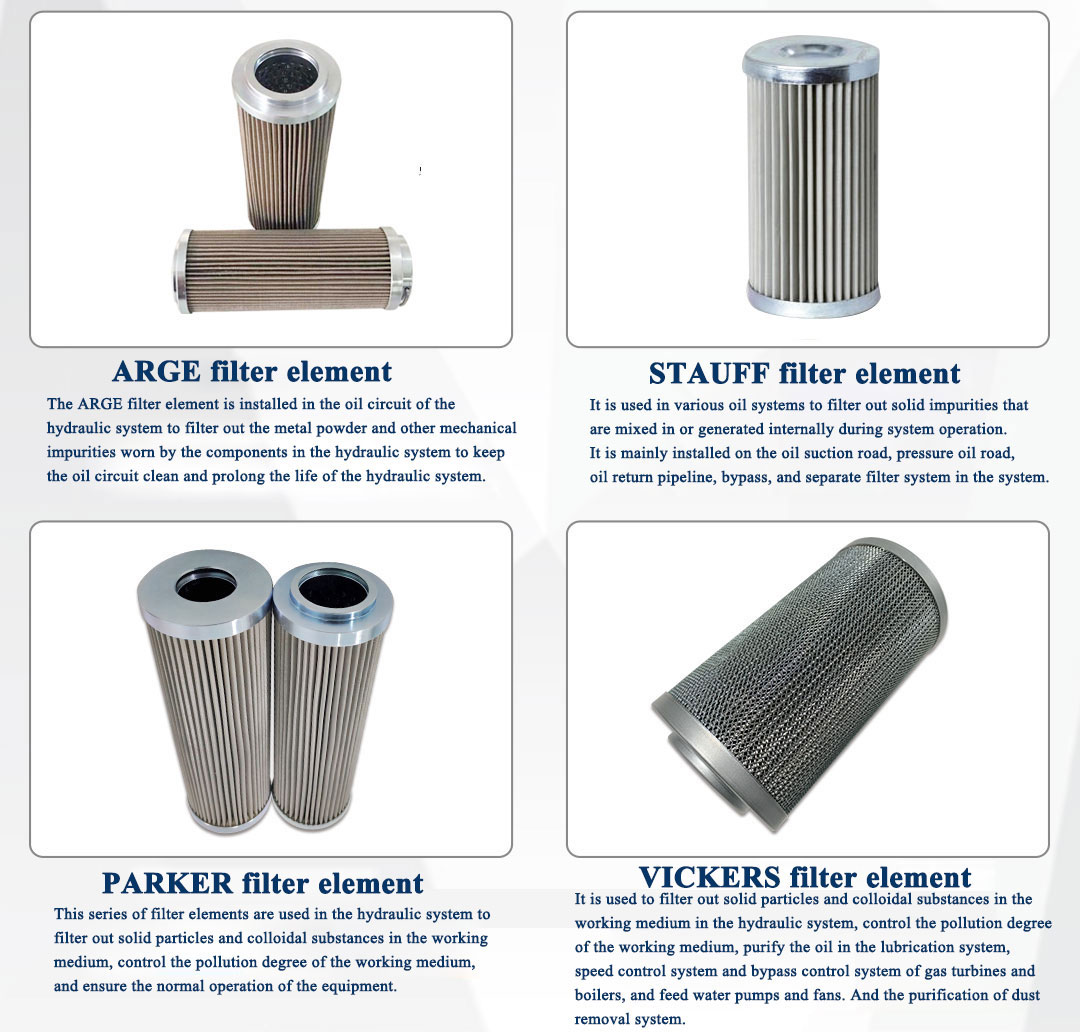
Hydraulic Systems Pressure oil filtration in hydraulic and lubrication systems to remove contaminants and ensure normal
operation
Pharmaceutical Pre-filtration of various antibiotics, liquid medicines, and pharmaceutical intermediates
Food & Beverage Filtration of wine, mineral water, drinking water, and beverage processing liquids
Oil & Gas Oilfield waterflood filtration and produced water treatment
Electronics High-purity water pre-filtration for semiconductor and electronics manufacturing
Chemical Industry Filtration of organic solvents, acids, alkalis, and chemical process liquids
General Industrial Lubrication systems, cooling circuits, and compressed air purification
Our filters are compatible with general hydraulic oils, as well as various chemical and process fluids. We also offer matched
filtration systems for complete fluid management solutions.
5. Selection & Operation Guidelines
5.1 Replacement Indication
Monitor the differential pressure gauge. Replace when DP reaches the alarm value—typically 0.35–0.5 MPa above initial clean
pressure drop. Under typical industrial conditions, replacement every 6–12 months or after 3,000–5,000 operating hours is
common. Shorten intervals for high-contamination environments.
5.2 Seal Material Selection
Seal Type Temperature Range Suitable Fluids
NBR (butyl rubber) –30°C ~ +100°C Mineral hydraulic oils, water-glycol emulsions
FKM (fluororubber) –20°C ~ +150°C Phosphate esters, high-temperature oils, aggressive chemicals
Select the appropriate seal based on your working medium and temperature requirements.
5.3 Storage Conditions
Store unused elements in original packaging in a cool, dry, dust-free environment. Avoid direct sunlight, extreme temperatures,
and corrosive chemicals. Recommended storage: <40°C and <80% relative humidity.
5.4 Disposal
Used elements may contain hazardous contaminants. Follow local environmental regulations—drain oil and dispose as
industrial hazardous waste or through authorized recycling channels.
Frequently Asked Questions (FAQ)
Q1: What is the recommended replacement interval for the R920016829 filter element?
A: The interval depends on operating conditions and contamination levels. Monitor the differential pressure gauge—replace
when DP reaches 0.35–0.5 MPa above initial clean pressure drop. Under typical industrial conditions, replacement every 6–12
months or after 3,000–5,000 operating hours is common. Shorten intervals for high-contamination or high-temperature
environments.
Q2: Can this filter element be cleaned and reused?
A: No. This element is designed for single-use only. Cleaning may damage the fiber media, reduce filtration efficiency,
and cause media migration—leading to secondary contamination of the system. Always replace with a new element.
Q3: How do I confirm compatibility with my existing filter housing?
A: Check the model number on your existing element and compare dimensions (outer diameter, inner diameter, length),
seal type, and bypass valve setting. Our R920016829 follows original specifications for 1:1 interchangeability—no housing
modifications required. Our technical team can assist with cross-referencing.
Q4: What is the difference between your R920016829 and the original brand element?
A: Our element is manufactured using equivalent high-quality US-imported hydrophobic/oleophobic fiber media and premium
sealing materials, meeting or exceeding original performance specifications—validated by ISO 16889 multi-pass testing.
It offers reliable filtration performance at 40–60% cost savings with faster delivery times.
Q5: What do the "1–100 μm" filtration ratings mean?
A: The R920016829 series is available in multiple absolute ratings from 1 micron to 100 microns. A 10-micron rating means
particles larger than 10 microns are captured with high efficiency (β₁₀ ≥ 200). Select the rating based on your system's
cleanliness requirements—finer for precision components, coarser for general lube circuits.
Q6: Why are both US-imported fiber and German sponge materials used in this filter?
A: The US-imported hydrophobic/oleophobic fiber media provides excellent particle capture and low flow resistance. The
German fine-porous sponge effectively prevents oil/water carryover by high-speed airflow, coalescing droplets for collection
at the container bottom. Together, they deliver both solid particle filtration and liquid-liquid separation performance.
Q7: What is the difference between NBR and FKM seals? When should I choose each?
A: NBR (butyl rubber) is suitable for mineral hydraulic oils at –30°C to +100°C. FKM (fluororubber) is required for phosphate
ester fluids, high-temperature applications (>100°C), or aggressive chemical environments. Please specify your working medium
when ordering to ensure correct seal selection.
Q8: Does this element have an integrated bypass valve?
A: The bypass valve is typically installed in the filter housing rather than in the element itself. Some variants include an
integrated bypass; others are non-bypass designs. Please verify your system requirements before ordering. Our team can
assist in selecting the correct configuration.
Q9: What are the consequences of running a system with a clogged filter element?
A: A clogged element increases differential pressure, which may open the bypass valve (if equipped), allowing unfiltered fluid
to circulate and accelerate component wear. If no bypass is present, the pressure drop may cause filter collapse or system
starvation. Regular monitoring and timely replacement are essential.
Q10: Can I use this element in a suction line application?
A: This element is generally designed for pressure line or return line applications. For suction line applications, a different filter
design with lower pressure drop and higher flow capacity is typically required. Please consult our engineering team for specific
recommendations.
Q11: Can you supply test certificates for export and customs clearance?
A: Yes. Every shipment includes EN 10204 Type 2.1 material certificates, ISO 16889 multi-pass filtration performance test reports,
and factory inspection documents. Upon request, we can provide Type 3.1 third-party inspection or surveyor reports
(additional cost applies), meeting EU, ASEAN, Middle Eastern, and South American import requirements.
Q12: Do you keep the R920016829 in stock?
A: Yes. This is one of our popular models and is always well-stocked. Trial orders (1–10 pcs) ship within 3–7 working days;
bulk orders (500+ pcs) within 15 working days. Expedited airfreight is available for urgent breakdowns.
Q13: Are your filters suitable for food and beverage or pharmaceutical applications?
A: Yes. The R920016829 media and construction materials are compatible with food and pharmaceutical process fluids. However,
for applications requiring FDA-compliant or food-grade materials, please specify your requirements when ordering—we offer
customized options to meet regulatory standards.
Q14: Do you provide technical support for installation or troubleshooting?
A: Yes. Our in-house engineers have 15+ years of filtration experience. We provide free dimensional drawings, installation guides,
and remote video troubleshooting. For large projects, on-site commissioning support can be arranged (subject to travel
conditions).
Conclusion
The R920016829 filter element is a reliable, high-performance filtration solution that effectively removes metal particles,
contamination impurities, and other harmful substances from hydraulic and industrial fluids. With its US-imported
hydrophobic/oleophobic fiber media, German fine-porous sponge technology, anti-corrosion nylon end caps, and robust
construction, it delivers superior permeability, filterability, air tightness, and corrosion resistance. Backed by fast delivery,
complete documentation, and competitive pricing, this replacement element offers outstanding value for hydraulic systems,
pharmaceuticals, food and beverage, oil and gas, electronics, and chemical processing applications.
For cross-reference charts, technical datasheets, or a customized quotation, please contact our sales engineering team today.
We keep your systems running—reliably, safely, and cost-effectively.
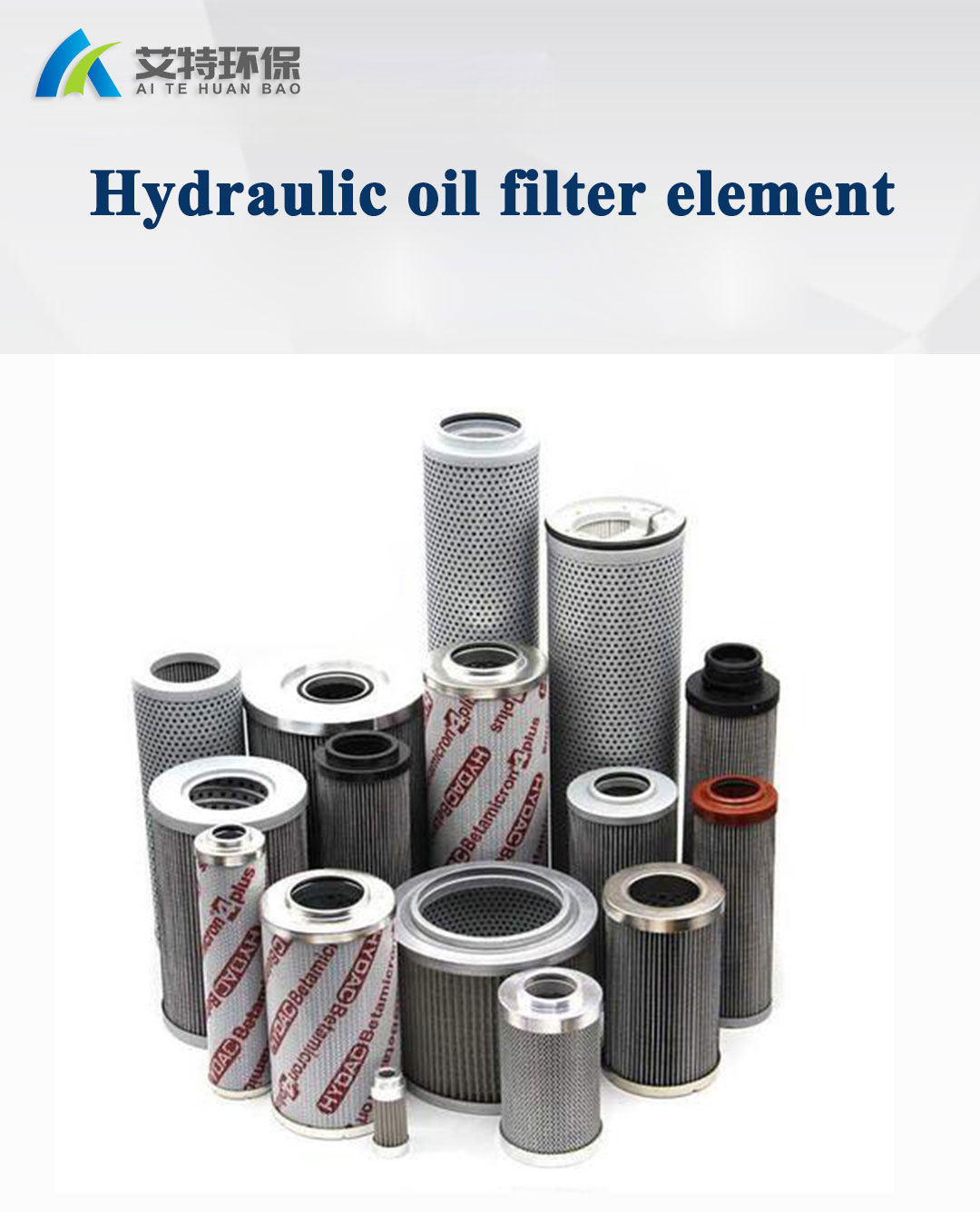
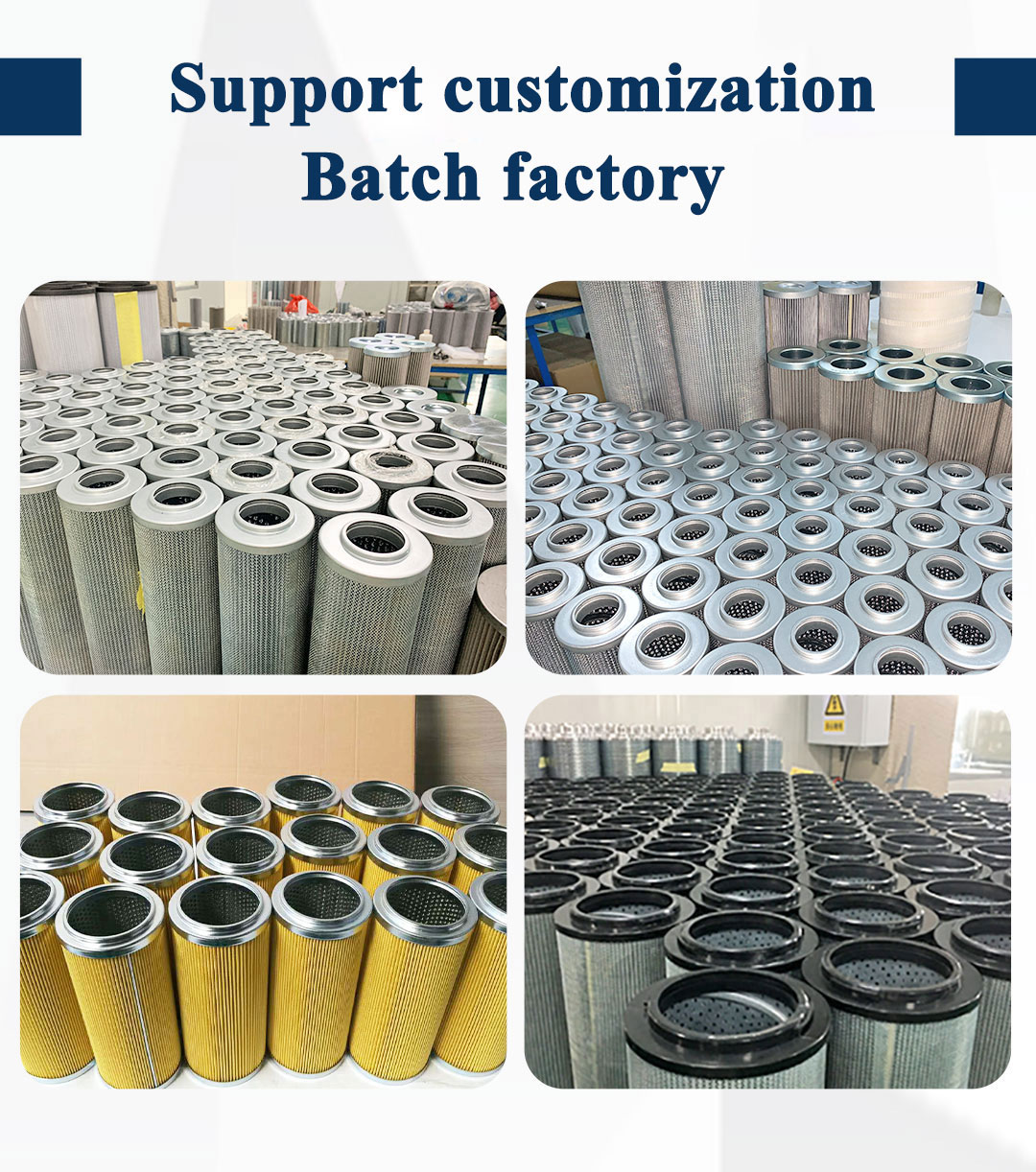
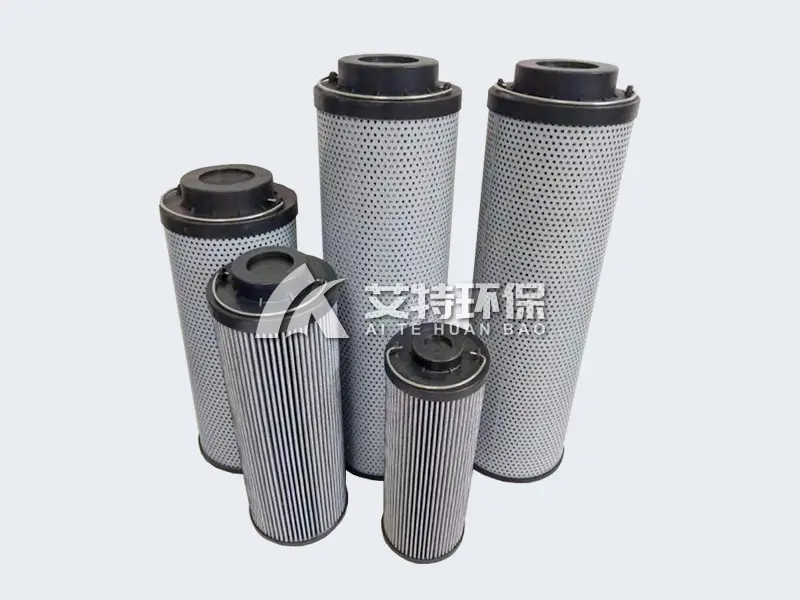
R920016829 Filter Element – High-Performance Hydraulic & Industrial Filtration Solution
Similar ProductsVIEW MORE >
WhatsApp / Wechat: +8613273719759
Factory Address: Zhengshang Navigation Square, South Hanghai Road, Erqi District, Zhengzhou City, Henan Province P.R.China.


 Export01@aiteeps.com
 ++8613273719759
