
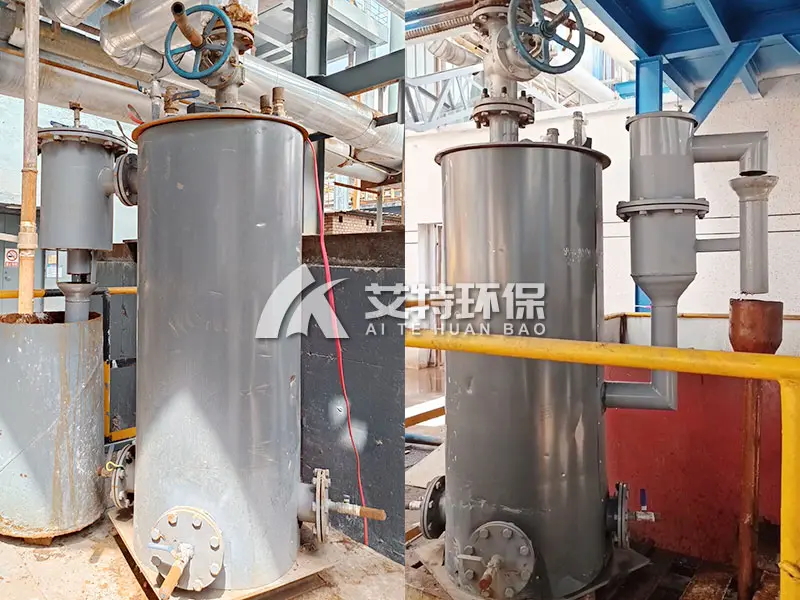
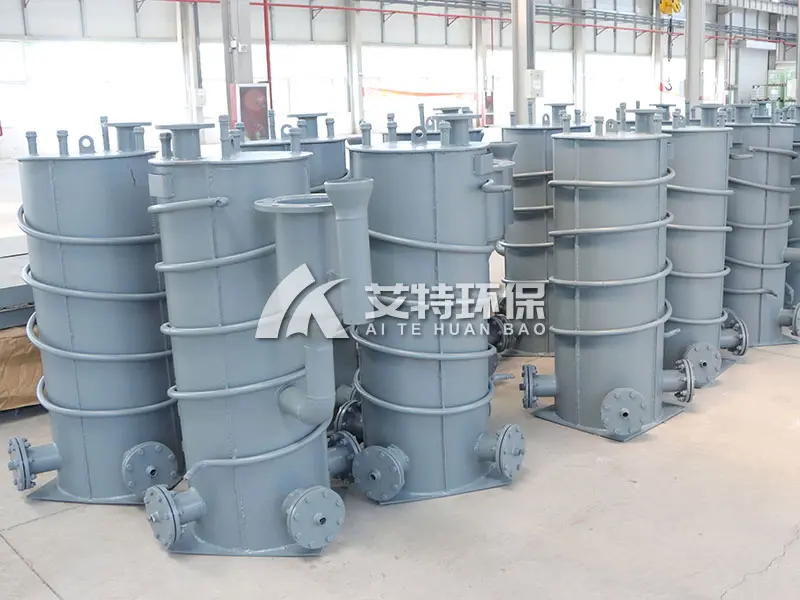
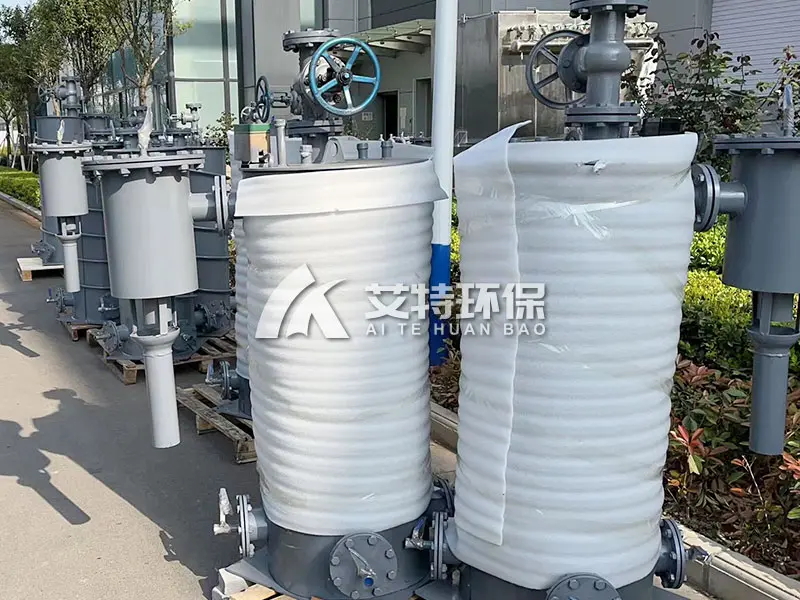
The gas pipeline drainer automatically removes condensate without power, seals against gas leakage, resists clogging, and extends cleaning cycles to 1–2 years.
Product Introduction
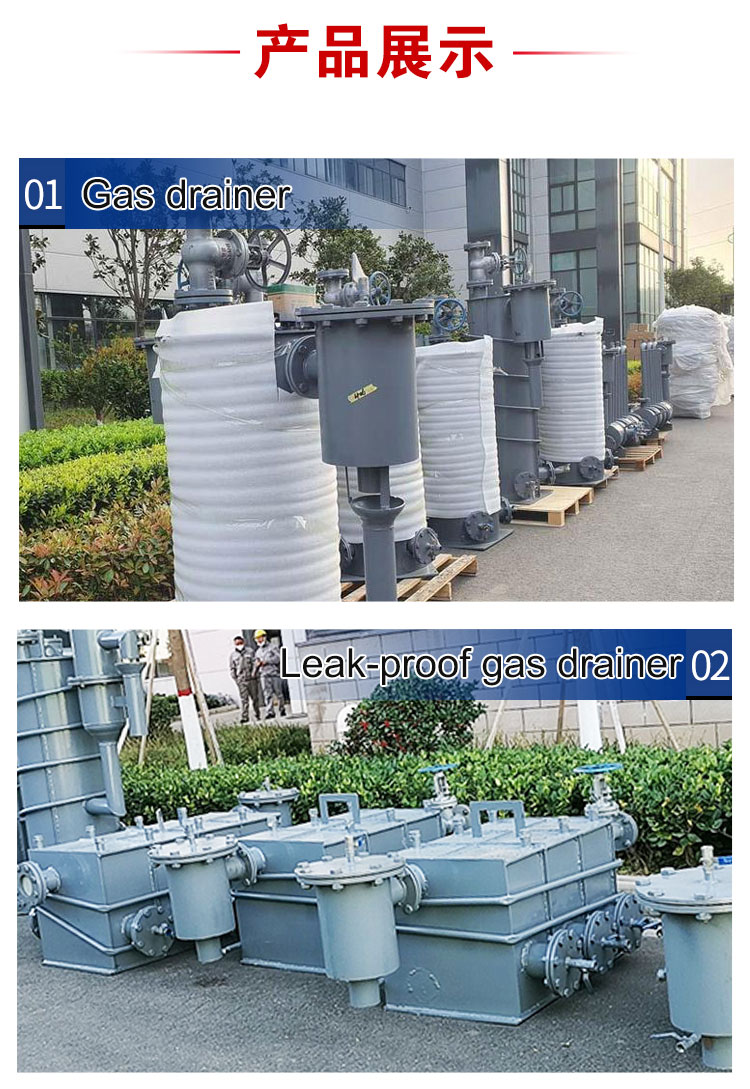
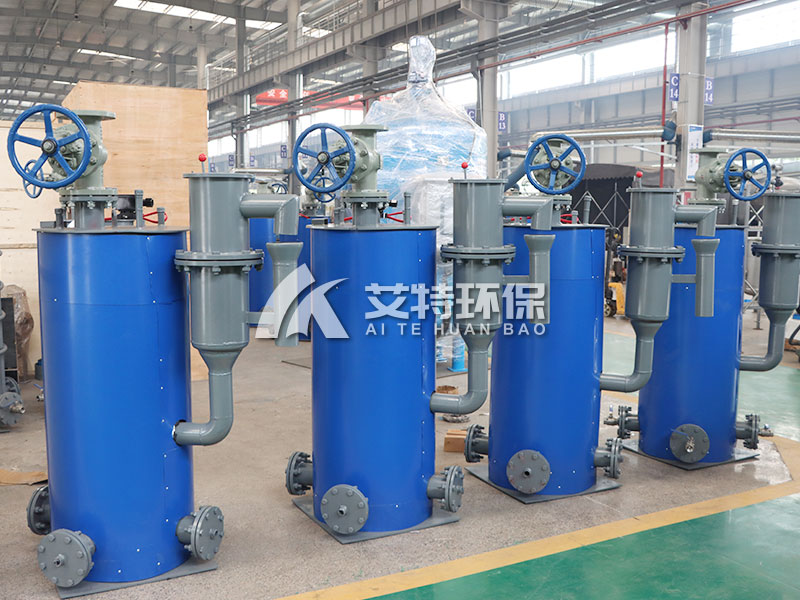
The gas pipeline drainer is a sealed automatic drain unit designed for condensate removal in gas transmission systems.
When water accumulates in the gas pipeline, the unit opens to discharge condensate; when dry, it remains tightly closed.
The device requires no external water makeup, operates without any power supply, and intelligently responds to system
conditions. It effectively seals against overpressure gas, ensures smooth drainage, and resists slag blockage.
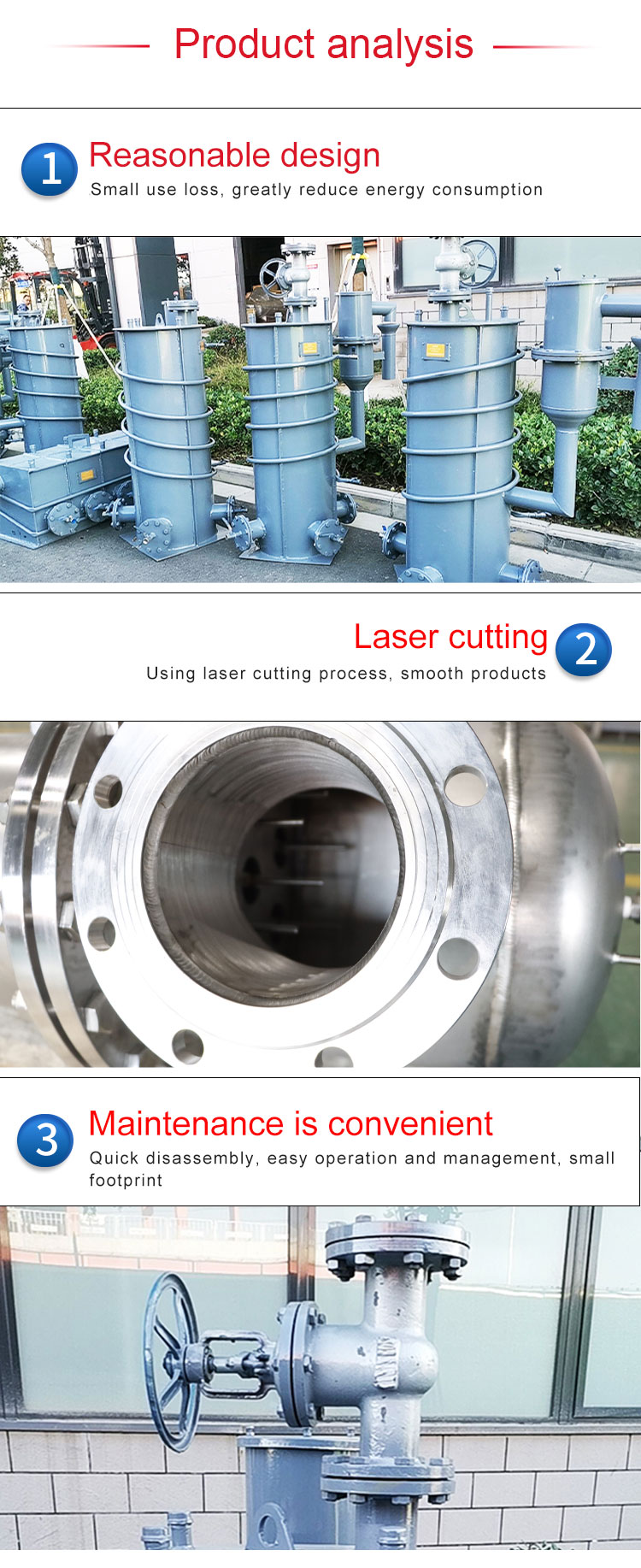
The cleaning cycle extends to 1–2 years—more than double the typical interval—with mechanical cleaning
capability that reaches dead corners where residue tends to accumulate. The integrated leak-proof mechanism
not only blocks various overpressure gases but also prevents water vapor loss.
Installation and Operating Precautions
1. Foundation & Positioning – Install the drainer on a level, flat ground foundation. The unit must be mounted
vertically without any tilt to ensure reliable operation.
2. Pipeline Connection – Connect the on-site gas pipeline to the drainer gas inlet. Use a gasket at the flange
connection to guarantee a tight seal and prevent gas leakage.
3. Condensate Discharge – Route the condensate drain pipe to the nearest sewer. Do not discharge condensate
directly under the equipment foundation.
4. Safety Protection – Install guardrails and warning signs around the drainer to prevent collision or leakage-related
accidents.
5. Pre-filling with Water (Critical Step) – Before initial use, the drainer must be filled with water.
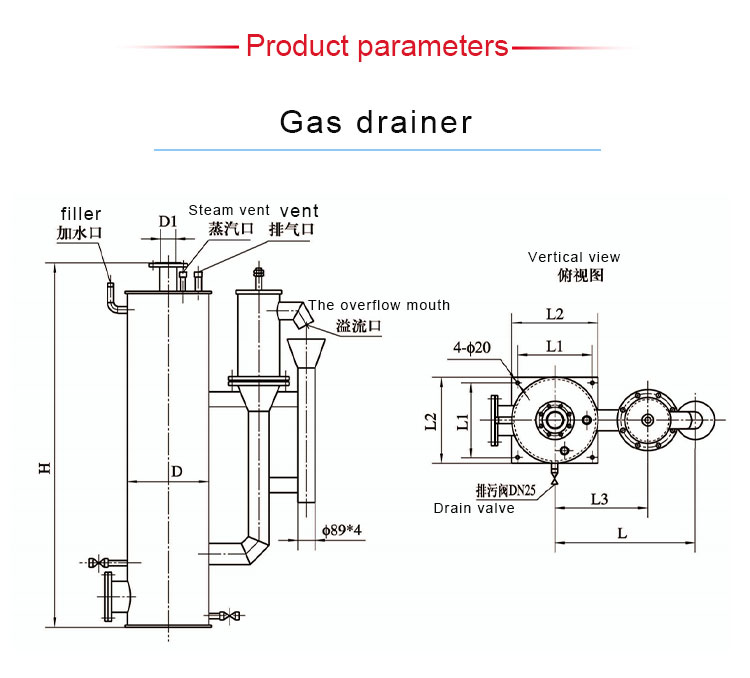
Open the air release valve on the leak-proof device at the top, then add water through the condensate water inlet.
Water filling is complete when drips appear from the lower condensate drain pipe. After filling, close the drain
valve to prevent gas escape.
FAQ
Q1: Does the gas pipeline drainer require any external power source?
No. The drainer operates entirely without electricity or external power. It automatically identifies the presence
of condensate and opens/closes based on internal water levels, making it suitable for hazardous or remote
locations where power supply is unavailable or unsafe.
Q2: How does the drainer prevent gas leakage during operation?
The unit incorporates a leak-proof mechanism that maintains a water seal to block overpressure gas.
When condensate is present, the seal allows drainage; when the pipeline is dry, the seal remains closed,
preventing any gas escape.
Q3: Why is pre-filling with water necessary before first use?
Pre-filling establishes the initial water seal, which is essential for the drainer to function properly.
Without this water seal, gas could bypass the unit and cause leakage. The filling is complete when water
drips from the lower condensate drain pipe.
Q4: How often should the drainer be cleaned or maintained?
The cleaning cycle typically reaches 1–2 years, which is more than double the interval of conventional drainers.
The mechanical cleaning design reaches dead corners where residue tends to accumulate,
further extending maintenance intervals and reducing downtime.
Q5: Can the drainer handle slag or particulate matter in the gas stream?
Yes. The drainer is designed with smooth flow passages that resist slag clogging. Its mechanical cleaning capability
effectively removes accumulated residue from dead corners, ensuring consistent performance over extended periods.
Q6: What happens if the gas pressure exceeds the rated overpressure limit?
The leak-proof device is engineered to block various levels of overpressure gas. However,
if the system pressure exceeds the unit's rated capacity, safety devices should be verified.
Please consult the product specification sheet for exact pressure ratings or contact us for application-specific guidance.
Q7: What are the space requirements for installation?
The drainer requires a level ground foundation with sufficient clearance around the unit for maintenance access.
Guardrails and warning signs are recommended for safety. No additional utilities (power, compressed air, etc.) are needed.
Q8: Can the drainer be installed outdoors?
Yes, provided that the foundation is level and the unit is protected from freezing temperatures. In cold climates,
appropriate insulation or trace heating may be required to prevent condensate from freezing inside the unit.
Q9: What should I do if the drainer stops discharging water?
First, check whether there is actually condensate in the gas pipeline. If water is present but not discharging,
inspect for debris blockage, verify the water seal level, and ensure the drain valve is fully open.
For persistent issues, please contact our technical support team.
Q10: What seals and materials are used in the drainer?
The drainer is constructed with materials suitable for gas pipeline service,
including corrosion-resistant internal components and durable seals that maintain integrity under varying
pressure and temperature conditions. For specific material compatibility with your gas composition, please consult us.
Q11: Is the drainer suitable for flammable or hazardous gases?
Yes, the drainer is commonly used in gas transmission systems including natural gas. Since it operates without electricity,
it eliminates ignition risks. However, please confirm material compatibility and confirm hazardous area compliance
with our engineering team before installation.
Q12: What documentation is supplied with each unit?
Each drainer is supplied with an instruction manual, dimensional drawings, material certificates,
and factory test reports upon request.
Product Details
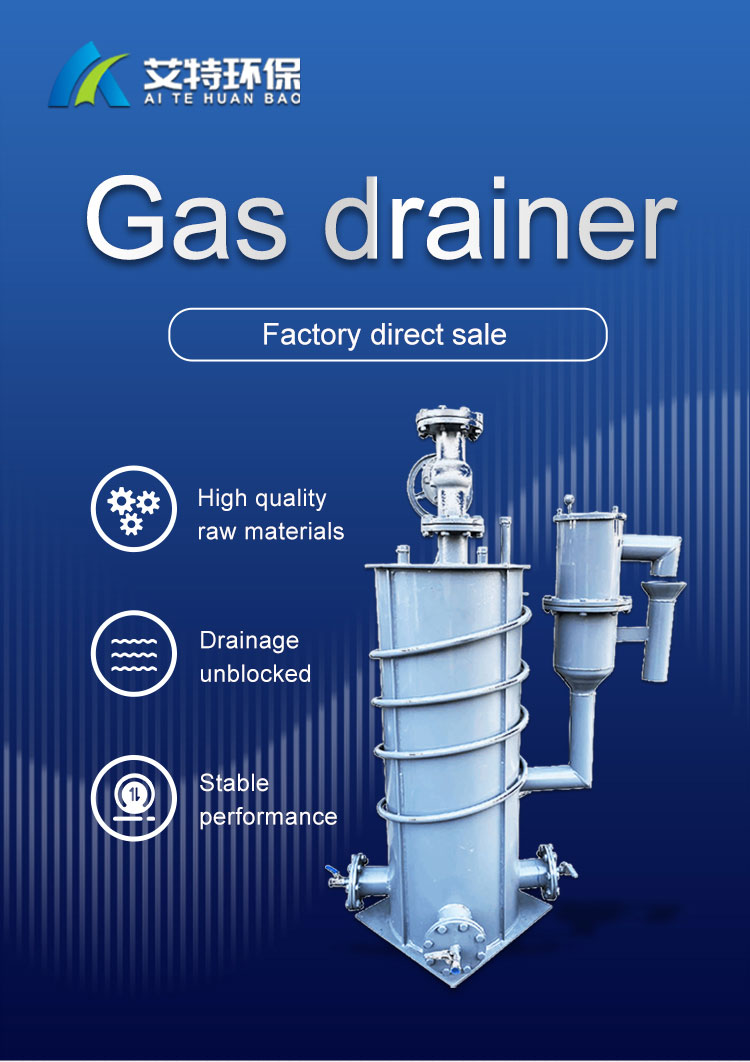
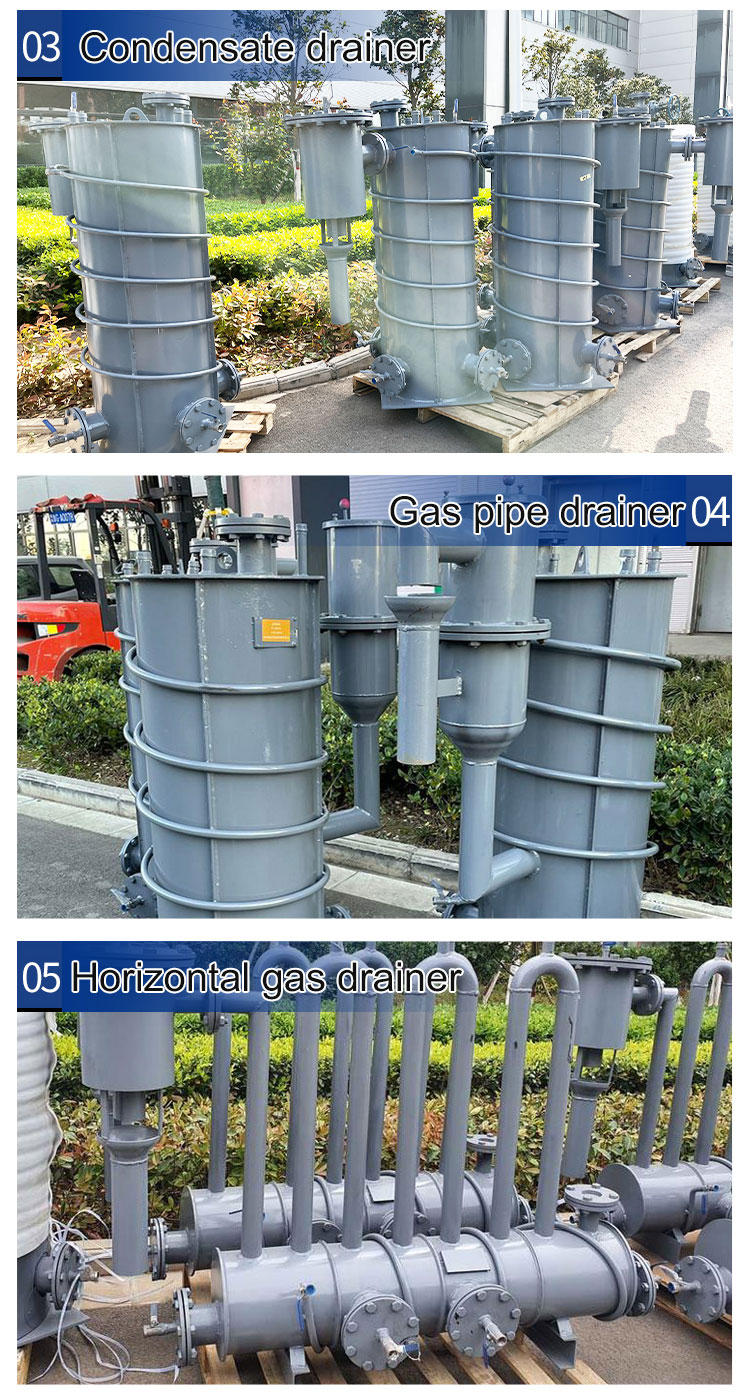
gas pipe drain
Similar ProductsVIEW MORE >
WhatsApp / Wechat: +8613273719759
Factory Address: Zhengshang Navigation Square, South Hanghai Road, Erqi District, Zhengzhou City, Henan Province P.R.China.


 Export01@aiteeps.com
 ++8613273719759
