
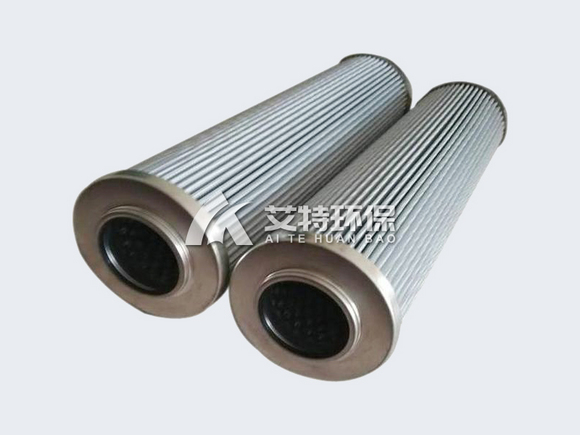
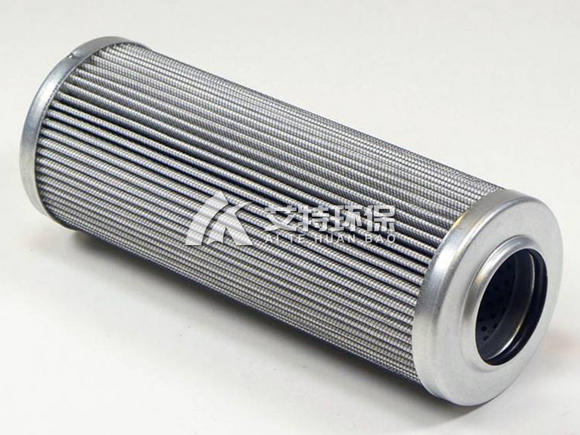
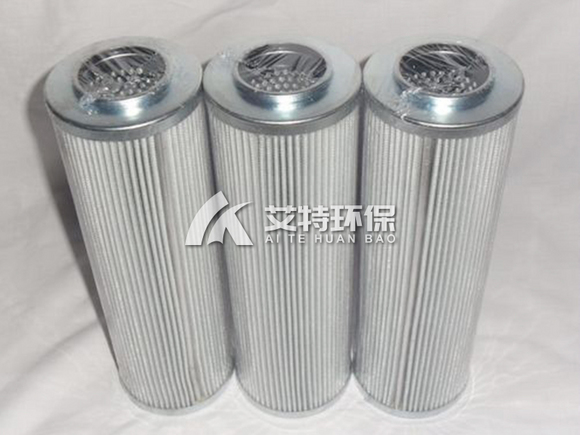
901747 filter element is mainly used to filter solid particles and colloidal substances in the work, effectively control the pollution of the working medium, ensure the operation of the system ****. The filter element is used in the pressure oil filter of the hydraulic and lubrication system to filter pollutants in the system and ensure the normal operation of the system. In fact, with the use of glass fiber, it will be able to filter up to 400 times more particles than the paper filter element, while the use of glass fiber media, also helps to prevent unexpected shutdowns and equipment failures.
Product Overview – 901747 Filter Element
The 901747 filter element is a high-performance filtration component designed for critical hydraulic and lubrication systems.
Its primary function is to remove solid particulates, colloidal impurities, and other contaminants from working fluids,
thereby ensuring system cleanliness and operational reliability. In modern industrial environments, even microscopic
contamination can lead to accelerated component wear, valve sticking, fluid degradation, and unplanned downtime.
The 901747 filter element directly addresses these challenges by providing superior filtration efficiency, structural durability,
and application versatility.
At the heart of this filter element is its advanced glass fiber media, which offers a distinct advantage over traditional cellulose
or metal mesh alternatives. Compared to conventional paper filter elements, the glass fiber construction enables the capture
of up to 400 times more particles per unit area, significantly extending service intervals while maintaining low pressure drop.
This high-performance media also plays a critical role in preventing unplanned shutdowns and equipment failures,
as it effectively removes abrasive particles that cause pump wear, servo-valve erosion, and bearing damage.
By maintaining fluid cleanliness at recommended ISO levels, the 901747 filter element helps reduce maintenance costs,
extend oil life, and improve overall system efficiency.
Performance Specifications
The 901747 filter element is engineered to meet demanding industrial standards with the following key performance indicators:
· Filter Media Options: High-quality borosilicate glass fiber, reinforced metal wire mesh, and high-strength cellulose materials,
selected based on application requirements.
· Filtration Ratings: Available in absolute filtration grades of 1, 3, 6, 12, and 25 micrometers (μm), with a beta ratio (βₓ) ≥ 100,
ensuring a minimum filtration efficiency of 99% for particles of the rated size.
· Structural Strength: Designed to withstand differential pressures up to 1.0 MPa, 2.0 MPa, 16.0 MPa, and 21.0 MPa,
depending on the specific model and housing configuration, making it suitable for both low-pressure return lines and
high-pressure main system lines.
· Temperature Compatibility: Operates effectively within a fluid temperature range of -10°C to +120°C, compatible with
mineral oils, synthetic esters, phosphate esters, and water-glycol fluids.
· End Cap Configuration: Manufactured with corrosion-resistant steel or aluminum end caps, using epoxy or urethane
bonding to ensure pleat stability and bypass valve integrity under pulsed flow conditions.
Application Fields
The 901747 filter element is deployed across a wide spectrum of industries where fluid cleanliness directly impacts productivity,
safety, and equipment lifespan. Key application sectors include:
1. Metallurgy: Used in hydraulic systems of rolling mills, continuous casting machines, and various lubrication units for
heavy-duty gearboxes and bearings, where high-temperature and high-contaminant environments demand robust filtration.
2. Petrochemical & Refining: Employed in separation and recovery processes for intermediate and finished products,
liquid purification in chemical reactors, and particle removal from oilfield produced water and natural gas streams.
Also used in manufacturing applications such as tape, CD, and photographic film production where ultra-clean conditions are
required.
3. Textile Industry: Applied in polyester melt spinning processes for purification and uniform filtration during drawing,
as well as in air compressor protection filtration to remove oil aerosols and condensed water from compressed air lines.
4. Electronics & Pharmaceuticals: Critical in reverse osmosis (RO) pretreatment, deionized water polishing, cleaning bath
recirculation, and glucose solution pre-filtration for fermentation processes, where particle control is essential for product
purity and yield.
5. Thermal & Nuclear Power: Utilized in gas turbine lubrication systems, boiler feed pump recirculation circuits, governor speed
control systems, and bypass oil purification loops. Also applied in fan and dust collection system cleaning to maintain air
quality and equipment reliability.
6. Mechanical Processing Equipment: Found in paper machinery, mining equipment, injection molding machines,
and large precision machine tools, where continuous lubrication and compressed air purification are required. Also used in
spray painting booths and dust recovery systems.
7. Railway Diesel Engines & Generators: Employed for lubricating oil and fuel oil filtration in high-speed diesel engines,
ensuring reliable operation under heavy load and variable speed conditions.
8. Automotive & Construction Machinery: Used as air intake filters, oil filters, and fuel filters for internal combustion engines,
as well as hydraulic oil filters, diesel pre-filters, and water separators for ships, trucks, excavators, and cranes.
Quality Assurance and Service Life
Every 901747 filter element is manufactured under ISO 9001-certified processes, with 100% pressure burst testing and
bubble-point integrity verification. The optimized pleat geometry and multi-layer media design provide high dirt-holding
capacity (up to 40 grams per 10-inch element), which translates into extended replacement intervals and reduced total cost
of ownership. For critical applications, optional bypass valve and visual/electrical clogging indicators can be integrated to
provide real-time condition monitoring.
Frequently Asked Questions (FAQ)
Q1: How often should the 901747 filter element be replaced?
A: Replacement intervals depend on operating pressure, fluid viscosity, contamination level, and system duty cycle.
Under typical industrial conditions, we recommend visual or electrical differential pressure monitoring. Replacement is
advised when the ΔP reaches 80% of the bypass valve setting (usually 0.8–1.0 MPa for high-pressure elements). For clean
systems, this may range from 6 to 12 months; for heavy-duty or high-contaminant environments, more frequent changes
may be required.
Q2: Can the 901747 filter element be cleaned and reused?
A: No. The glass fiber and cellulose media are depth-type filters designed for single-use. Cleaning methods such as backwashing
or chemical washing can damage the fiber structure, reduce filtration efficiency, and cause media migration. We strongly
recommend replacing the element rather than attempting to clean it.
Q3: Is the 901747 element compatible with synthetic and biodegradable hydraulic fluids?
A: Yes. The standard materials (glass fiber, epoxy/urethane adhesives, and steel/aluminum end caps) are compatible with most
mineral oils, synthetic esters, polyalphaolefins (PAO), phosphate esters, and water-glycol fluids. For aggressive fluids like
skydrol or high-water-content emulsions, please consult our technical team for material validation.
Q4: What is the meaning of "βₓ ≥ 100" in the performance index?
A: The beta ratio (βₓ) is a measure of filtration efficiency. For example, β₁₂ = 100 means that for every 100 particles larger than
12 μm entering the filter, only 1 particle passes through, giving an efficiency of (1 – 1/100) × 100% = 99%. Higher beta ratios
indicate finer and more effective filtration.
Q5: Can I use a lower micron-rated element for better protection?
A: While finer filtration (e.g., 1 μm) provides higher cleanliness, it also creates a higher pressure drop and may reduce element
life. The correct rating should match the system's clearances (e.g., servo-valve systems typically require 3–6 μm, while general
industrial hydraulics use 10–25 μm). Please refer to your system manufacturer's recommendation or contact our application
engineers for selection guidance.
Q6: How do I verify the authenticity and quality of a 901747 element?
A: Genuine elements feature laser-etched part numbers, batch codes, and certification labels. Each element comes with a test
certificate indicating bubble-point, burst pressure, and flow-vs-ΔP performance. We recommend purchasing directly from
authorized distributors or our factory to avoid counterfeit products that may compromise system safety.
Q7: Does the filter element come with an integrated bypass valve?
A: Some variants include a built-in bypass valve to allow fluid flow when the element becomes fully clogged, preventing
cavitation or system starvation. However, bypass operation should be avoided as it allows unfiltered fluid downstream.
Please specify your requirement when ordering, as not all models include this feature.
If you have additional technical questions, require custom dimensions or media combinations, or need support for retrofitting
existing housings, please contact our engineering support team. We are committed to providing tailored filtration solutions
that enhance your equipment reliability and operational efficiency.

901747 filter element
Similar ProductsVIEW MORE >
WhatsApp / Wechat: +8613273719759
Factory Address: Zhengshang Navigation Square, South Hanghai Road, Erqi District, Zhengzhou City, Henan Province P.R.China.


 Export01@aiteeps.com
 ++8613273719759
