
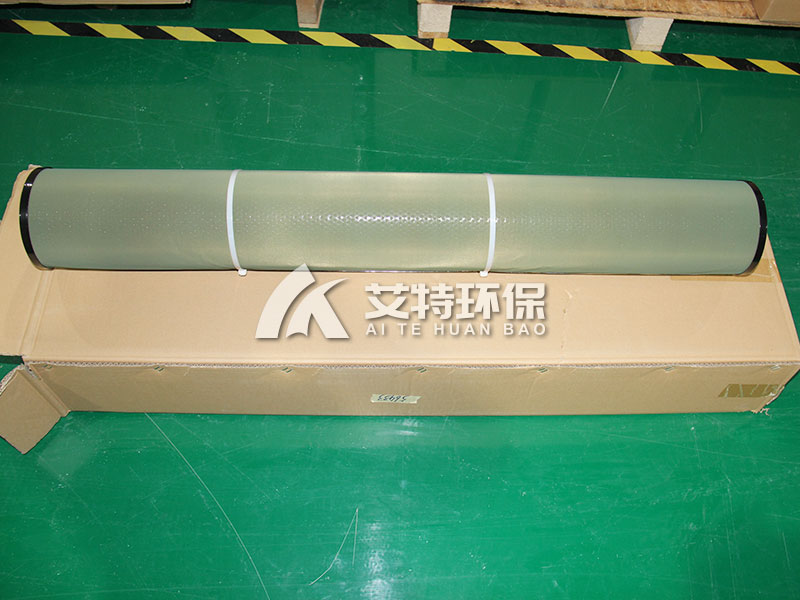
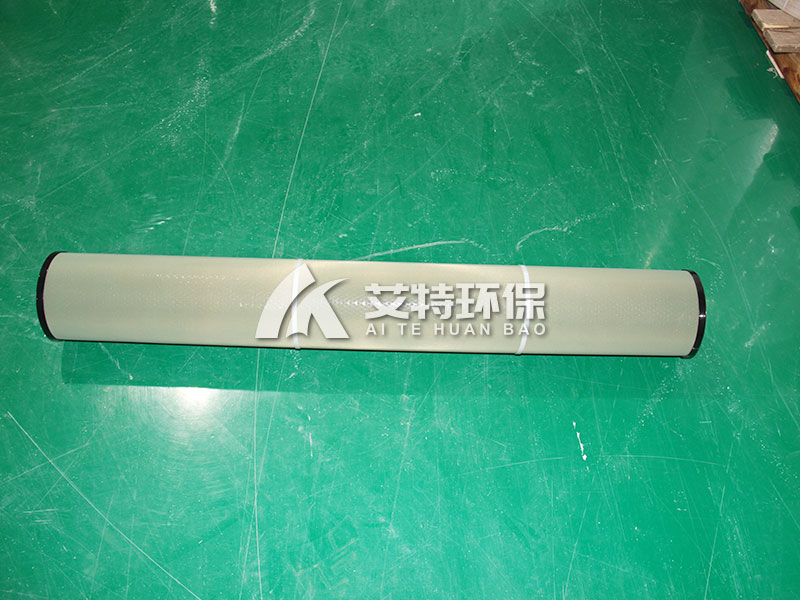
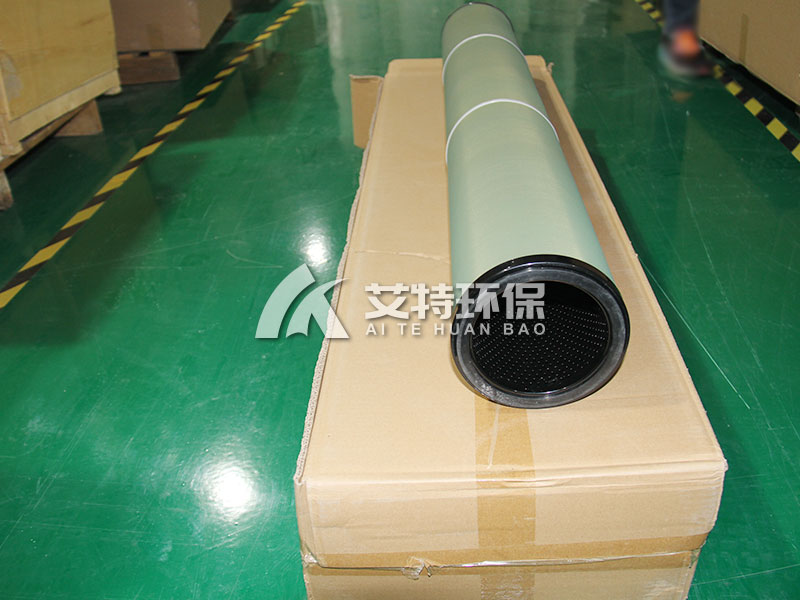
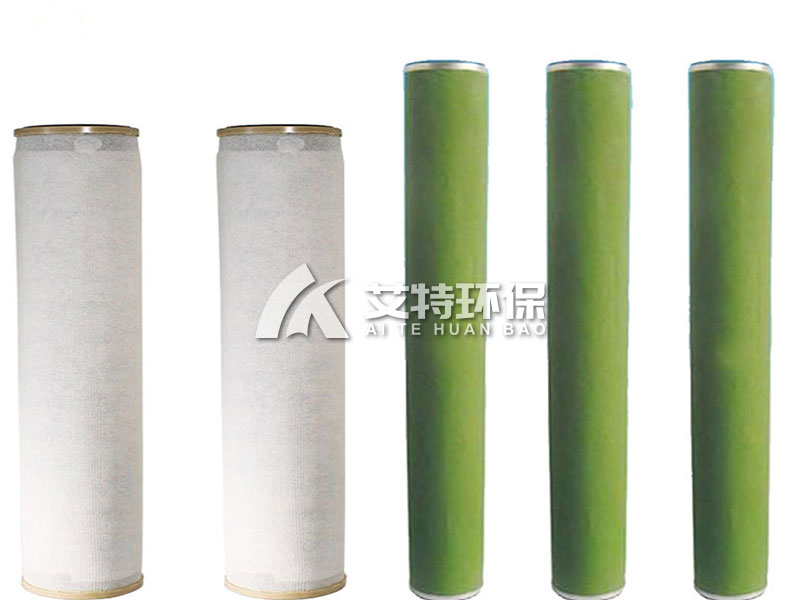
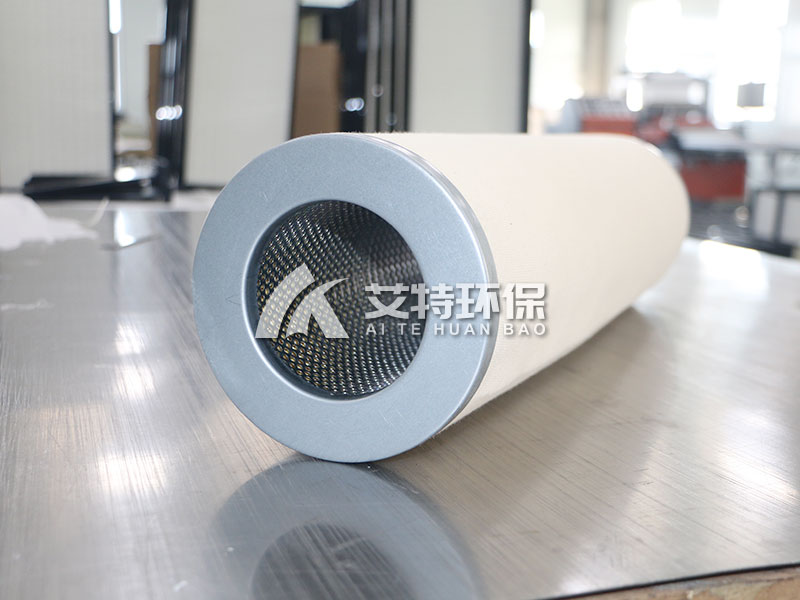
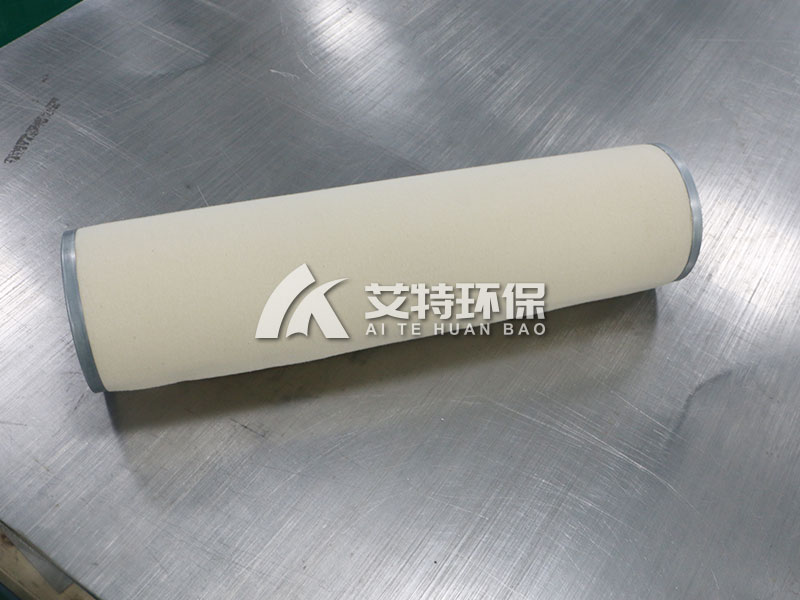
Natural gas filter element WDQ-616012 is a separation and purification equipment component for natural gas gathering and transportation pipelines and gas gathering stations, compressor stations, sub-transportation stations, pigging stations, terminal stations and various application fields.
The WDQ-616012 natural gas filter element is a high-efficiency separation and purification component specifically designed
for natural gas gathering and transmission pipelines, as well as associated facilities including gas gathering stations,
compressor stations, sub-transmission stations, pigging stations, terminal stations, and various application points within
the natural gas infrastructure. As a critical protective device, this filter element effectively removes solid particulates,
liquid droplets, pipeline debris, and mechanical impurities from the gas stream. By doing so, it ensures the safe, reliable,
and efficient operation of gas transmission systems, protects downstream equipment, and maintains gas quality in
compliance with industry standards.
In the natural gas industry, the presence of contaminants—including rust particles, welding slag, sand, dust, compressor oil mist,
and condensed water—poses significant risks to pipeline integrity and equipment performance. These impurities can cause
accelerated wear on metering devices, corrosion of pressure regulating equipment, fouling of control valves, and even
catastrophic damage to compressors and turbines. The WDQ-616012 addresses these challenges through its advanced filtration
media, robust construction, and optimized flow dynamics, delivering consistent separation efficiency across a wide range of
operating conditions.
Working Principle
During natural gas pipeline transportation, the gas stream inevitably carries various contaminants originating from multiple
sources. These include:
· Source impurities – Sand, water, hydrogen sulfide, and other formation-derived contaminants present in raw natural gas.
· Pipeline mechanical impurities – Rust, welding slag, mill scale, and particulate matter dislodged from internal pipe walls
during flow or pigging operations.
· Operational contaminants – Compressor lubricating oil mist, seal oil, glycol dehydration carryover, and corrosion inhibitors.
These impurities can significantly degrade gas quality and damage sensitive equipment such as flow meters, pressure regulators,
heaters, and control valves. Therefore, gas filtration equipment must be installed before each receiving station, compressor
station, and critical equipment point to ensure the safety and reliability of downstream operations.
The WDQ-616012 operates on the principle of depth filtration and coalescence. As the contaminated natural gas flows into the
filter housing and passes through the element, the following separation mechanisms occur:
1. Surface filtration – Larger solid particles are captured on the upstream surface of the filter media, preventing them from
progressing further into the element.
2. Depth filtration – Sub-micron and fine particles are trapped within the fibrous matrix of the polyester fiber media through
inertial impaction, diffusion, and interception mechanisms. This multi-layer structure provides high dirt-holding capacity and
extended service life.
3. Coalescence and separation – Liquid aerosols (oil mist, water droplets) are coalesced into larger droplets as they pass through
the hydrophobic and oleophobic fiber layers. The coalesced droplets then migrate downstream, where they are collected in the
sump section of the filter housing and drained automatically or manually.
4. Clean gas discharge – The purified gas, now free of solid particles and liquid contaminants, exits the element and continues
downstream to metering, pressure regulation, and end-use applications.
Technical Parameters
The WDQ-616012 natural gas filter element is precision-engineered with the following specifications:
Parameter Specification
Model WDQ-616012
Filtration accuracy 5 μm (absolute)
Applicable medium Natural gas, associated gas, and similar hydrocarbon gases
Frame material Stainless steel (corrosion-resistant)
Filter media High-performance polyester fiber
Operating temperature -10°C ~ +50°C
Effective filtration area 1.5 m²
Working differential pressure ≤ 0.4 MPa (maximum allowable)
Filtration efficiency ≥ 99.90% (for particles ≥ 5 μm)
Inlet/Outlet diameter 115 mm
Flow direction Outside-in or inside-out, depending on housing configuration
Seal material NBR or FKM (compatible with natural gas and hydrocarbons)
End caps Stainless steel or galvanized steel
Collapse pressure rating ≥ 1.0 MPa
Key Performance Characteristics
The WDQ-616012 is engineered to deliver superior filtration performance with the following advantages:
1. High filtration efficiency – With a rated efficiency of ≥99.90% at 5 μm, the element effectively removes virtually all solid
particulates and liquid aerosols that could compromise downstream equipment performance and gas quality.
2. Large effective filtration area – The 1.5 m² filtration area ensures low flow velocity across the media, reducing pressure drop
and extending element service life while maintaining high flow capacity.
3. Excellent corrosion resistance – The stainless steel frame and end caps provide outstanding resistance to corrosion, ensuring
reliable performance even in sour gas applications containing hydrogen sulfide and moisture.
4. High dirt-holding capacity – The depth-loading polyester fiber media captures and retains contaminants throughout its
thickness, providing extended service intervals and reducing replacement frequency.
5. Low initial pressure drop – The optimized pleat geometry and porous media structure minimize flow resistance,
reducing energy consumption and improving overall pipeline efficiency.
6. Thermal and chemical stability – The polyester fiber media maintains its structural integrity and filtration performance across
the full operating temperature range, resisting degradation from hydrocarbons, glycols, and other pipeline chemicals.
7. Easy maintenance and replacement – Standardized dimensions and housing compatibility allow for quick and straightforward
element change-outs, minimizing downtime during scheduled maintenance.
Application Fields
The WDQ-616012 natural gas filter element is widely deployed across the natural gas industry in the following applications:
· Gas gathering stations – Primary filtration of raw natural gas from wellheads, removing formation sand, water, and initial
pipeline debris.
· Compressor stations – Protection of compressors from abrasive particles and liquid carryover that can cause impeller damage
and seal failure.
· Sub-transmission and distribution stations – Filtration before metering and pressure regulation to ensure measurement
accuracy and regulatory reliability.
· Pigging stations – Removal of debris dislodged during pipeline pigging operations, preventing downstream equipment
damage.
· Terminal stations and city gate stations – Final purification before gas enters distribution networks or industrial end-user
facilities.
· Gas processing plants – Pre-filtration for dehydration units, amine treating systems, and condensate stabilization processes.
Quality Assurance
Each WDQ-616012 filter element undergoes rigorous quality control in accordance with ISO 9001 standards. Production
processes include media integrity testing, burst pressure validation, dimensional verification, and flow-versus-pressure-drop
characterization. The element design also complies with relevant ASME and pipeline industry standards for natural gas filtration
equipment.
Frequently Asked Questions (FAQ)
Q1: What is the recommended replacement interval for the WDQ-616012?
A: Replacement frequency depends on gas quality, flow rate, and contaminant load. The most reliable method is to monitor the
differential pressure across the element. Replace when ΔP reaches 0.35~0.40 MPa, or when the cleaning schedule indicates.
In typical pipeline applications, this may range from 6 to 24 months. Regular differential pressure monitoring is strongly
recommended for optimized maintenance planning.
Q2: Can the WDQ-616012 filter element be cleaned and reused?
A: No. The polyester fiber depth-media is designed for single-use only. Attempting to clean the
element—whether by backwashing, chemical soaking, or compressed air—will damage the fiber structure, alter pore sizes,
and compromise coalescing performance. Reusing a cleaned element risks media migration and downstream contamination.
Always replace with a new, genuine WDQ-616012 element.
Q3: What is the difference between coalescence and particulate filtration?
A: Particulate filtration captures solid particles through mechanical straining and depth interception. Coalescence,
on the other hand, is the process of merging small liquid droplets (oil or water) into larger droplets that can be easily
separated by gravity and drained from the housing. The WDQ-616012 combines both functions—capturing solid particles
while also coalescing and removing liquid aerosols—providing comprehensive gas purification.
Q4: What is the significance of the 99.90% filtration efficiency?
A: This indicates that at the rated particle size of 5 μm, the filter removes 99.90% of all particles of that size and larger.
For every 10,000 particles ≥5 μm entering the element, only 10 pass through. This high efficiency ensures excellent
protection of downstream equipment and maintains gas quality for accurate metering and regulatory compliance.
Q5: Is the WDQ-616012 compatible with sour natural gas containing H₂S?
A: Yes. The stainless steel frame and end caps provide excellent corrosion resistance in sour gas environments containing
hydrogen sulfide. However, for highly aggressive sour gas applications, we recommend verifying seal material compatibility
(FKM is recommended over NBR) and confirming the absence of stress corrosion cracking risks. Please contact our technical
team for sour gas application support.
Q6: Can the WDQ-616012 be used for gases other than natural gas?
A: The element is primarily designed for natural gas and associated hydrocarbon gases. It may also be suitable for biogas,
landfill gas, syngas, and certain industrial gases, provided that operating temperature, pressure, and chemical compatibility
are verified. Please consult our application engineers for gas composition-specific recommendations.
Q7: How do I know if the element is genuine WDQ-616012?
A: Genuine WDQ-616012 elements are marked with laser-etched model numbers, batch codes, and quality certification labels.
Each element is accompanied by a test certificate showing media integrity, burst pressure, and flow-vs-pressure-drop
performance. We strongly recommend purchasing from authorized distributors or directly from the manufacturer to
avoid counterfeit products that can compromise safety and performance.
Q8: What is the maximum allowable differential pressure before replacement is mandatory?
A: The maximum allowable working differential pressure is 0.4 MPa. We recommend replacing the element when ΔP
reaches 0.35 MPa to provide a safety margin and prevent operation at the maximum limit. Operating beyond 0.4 MPa
may cause media collapse, seal failure, or housing damage.
Q9: Does the element require a specific flow direction?
A: The WDQ-616012 is designed for outside-in flow direction in most standard housing configurations. However,
specific applications may require inside-out flow. Please verify your filter housing orientation and confirm the correct
flow direction before installation to ensure optimal performance.
Q10: How should the element be stored before installation?
A: Store the element in a cool, dry, and dust-free environment, away from direct sunlight, ozone sources, and extreme
temperatures. Keep in original sealed packaging until installation to prevent moisture absorption, media contamination,
and seal degradation. The recommended shelf life is up to 3 years under proper storage conditions.
Q11: Can the element be used in low-temperature environments below -10°C?
A: The standard WDQ-616012 is rated for operation down to -10°C. For colder environments, special low-temperature
variants with modified media and seal materials may be available. Please contact our engineering team for cold-climate
applications to ensure reliable performance.
Q12: What is the purpose of the 1.5 m² filtration area?
A: A larger filtration area reduces the velocity of gas passing through the media, which lowers the pressure drop,
increases dirt-holding capacity, and extends service life. The 1.5 m² area is optimized for standard pipeline flow rates,
balancing performance and compact footprint.
For additional technical assistance, custom dimensional modifications, retrofitting support, or application-specific
recommendations for natural gas filtration, please contact our engineering support team. We are committed to delivering
high-quality, reliable filtration solutions that ensure the safety, efficiency, and integrity of your natural gas transmission
and distribution operations.
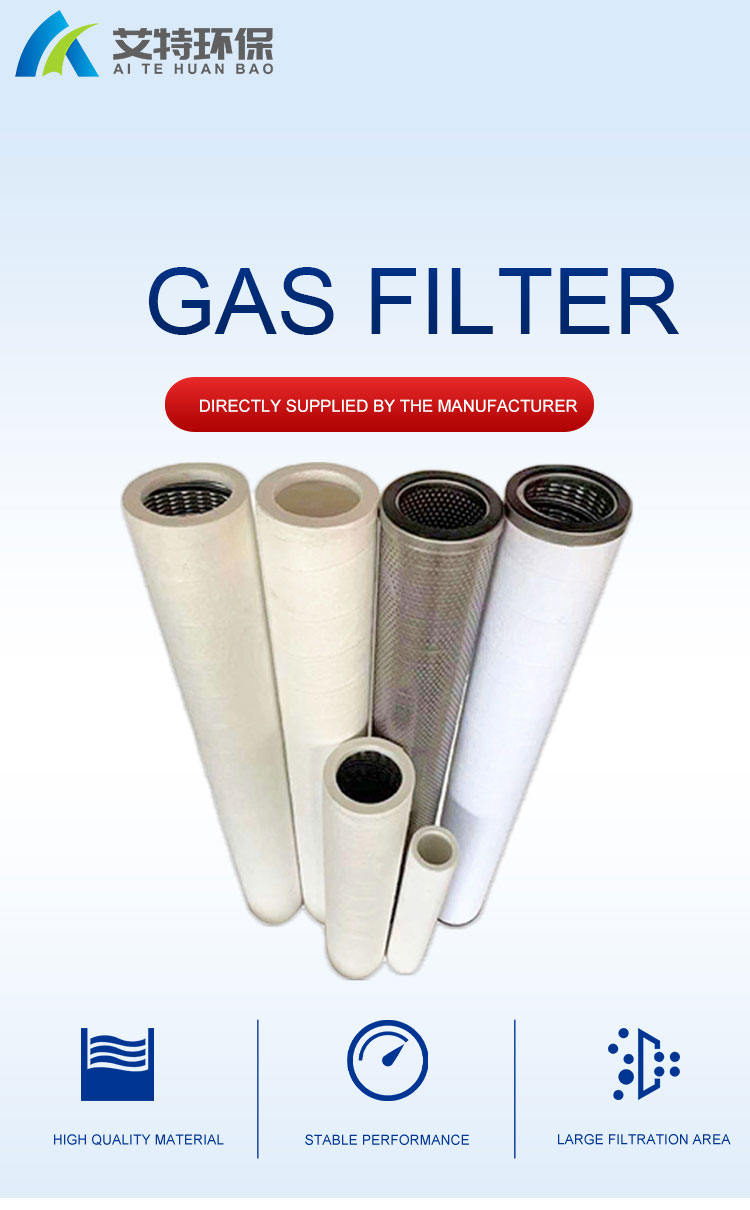
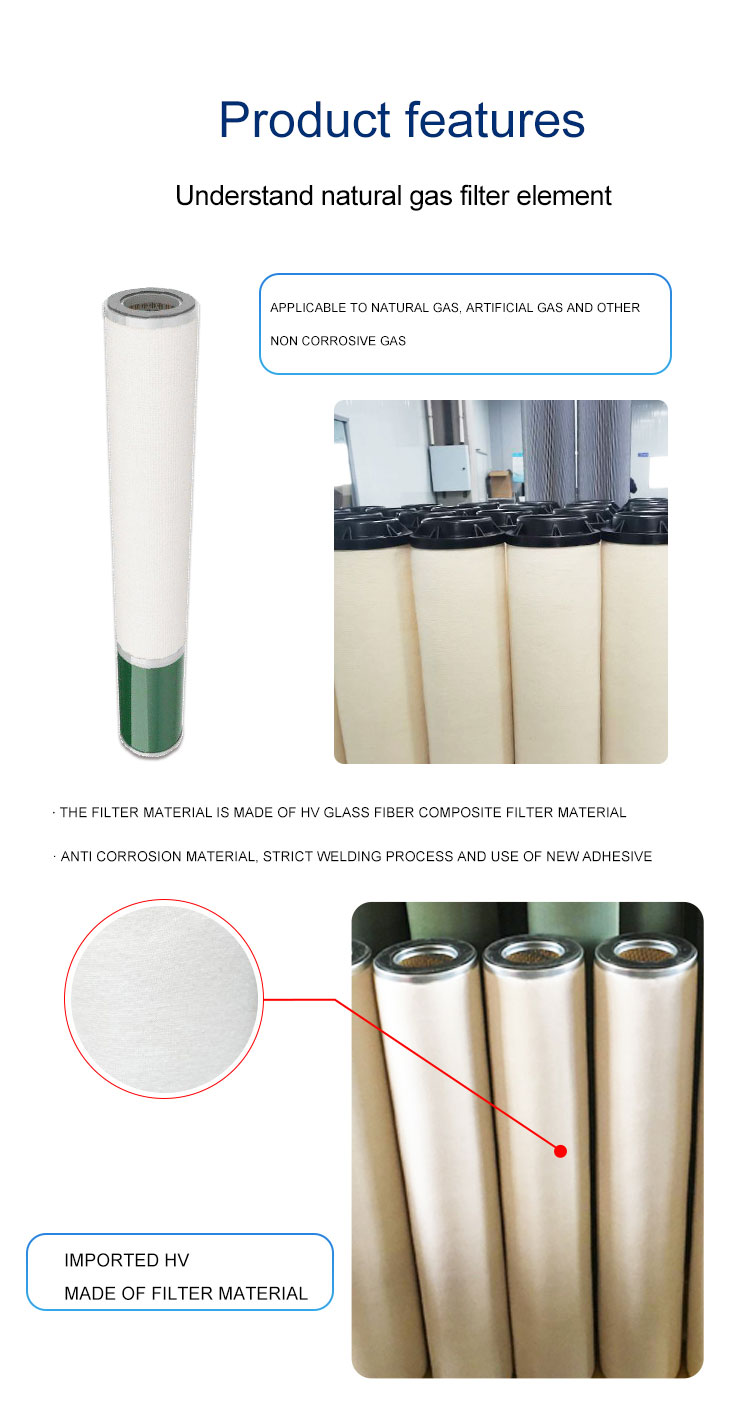
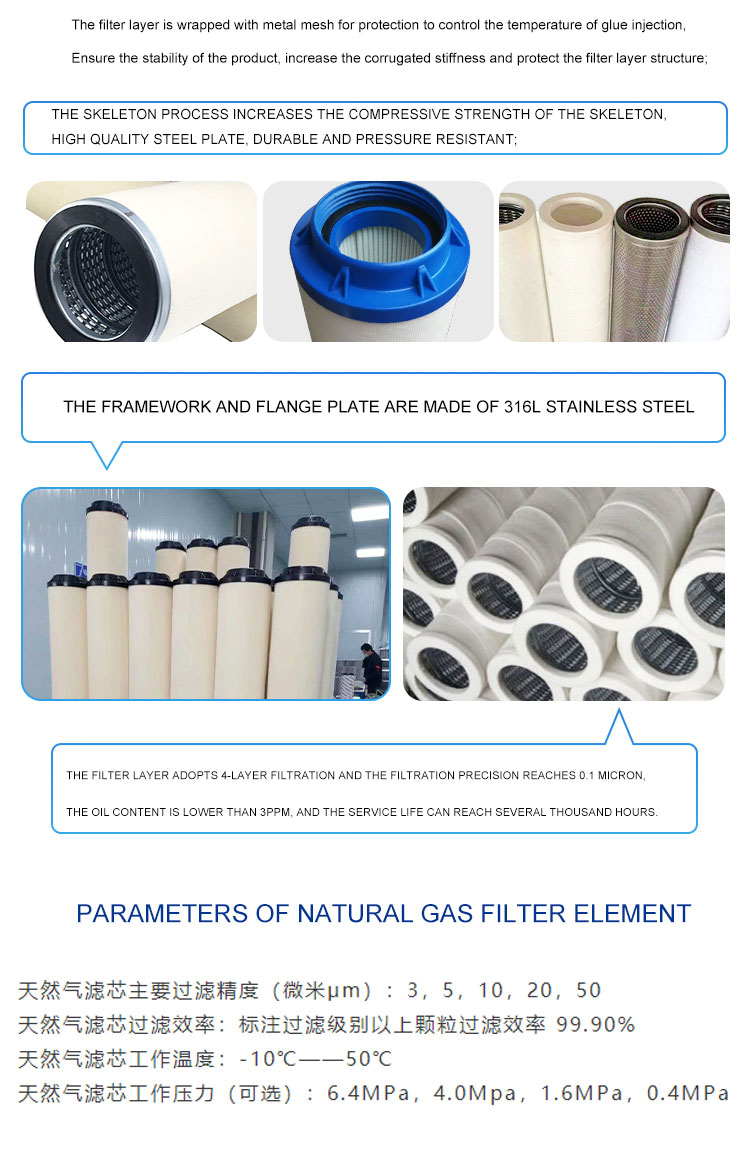
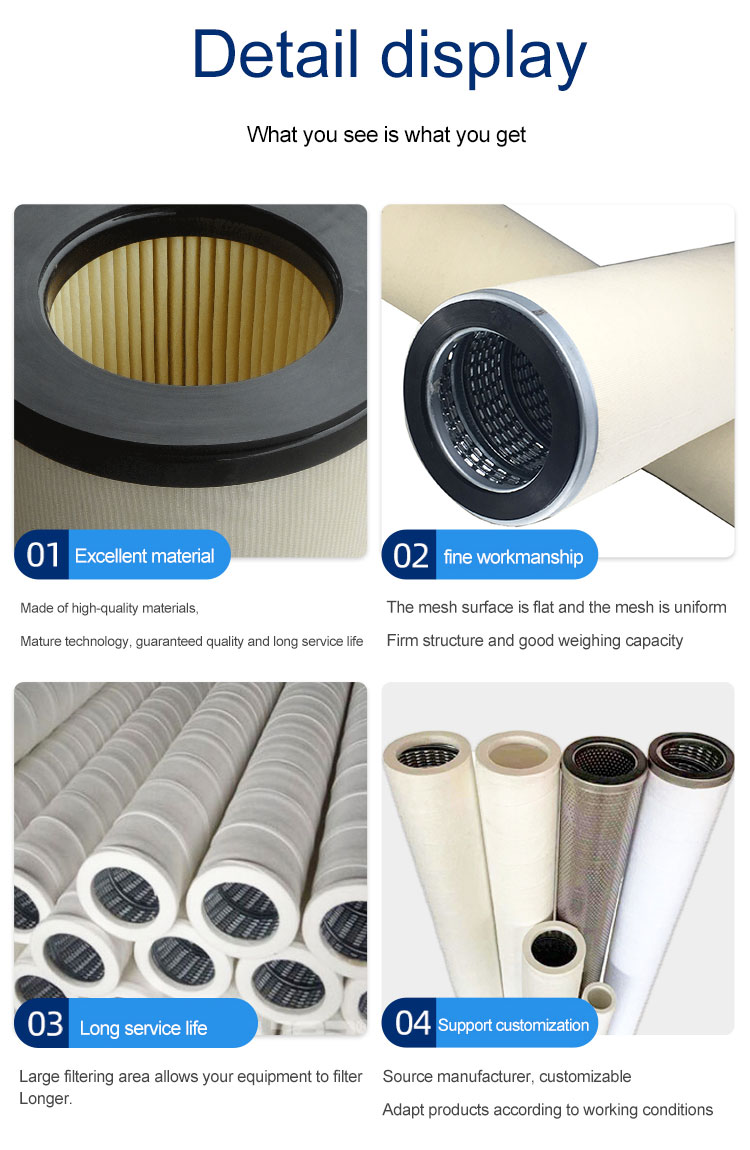
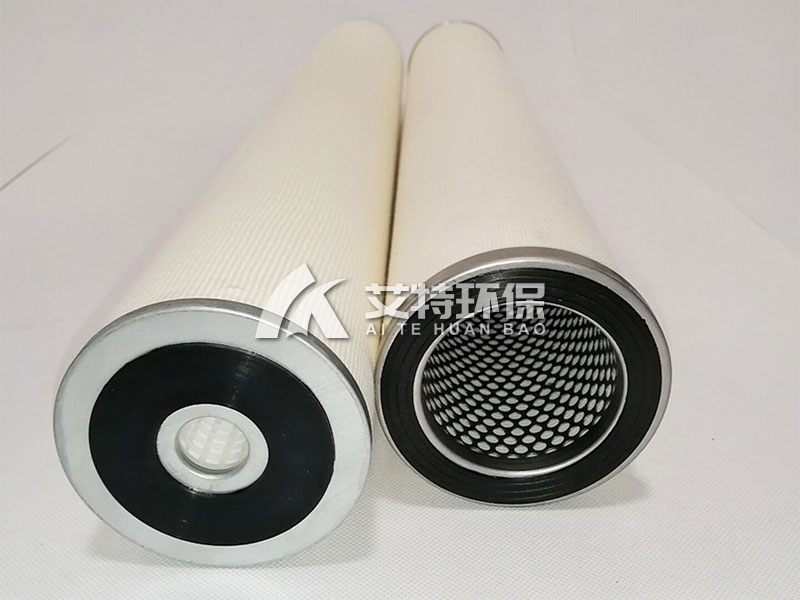
Natural gas filter element WDQ-616012
Similar ProductsVIEW MORE >
WhatsApp / Wechat: +8613273719759
Factory Address: Zhengshang Navigation Square, South Hanghai Road, Erqi District, Zhengzhou City, Henan Province P.R.China.


 Export01@aiteeps.com
 ++8613273719759
