
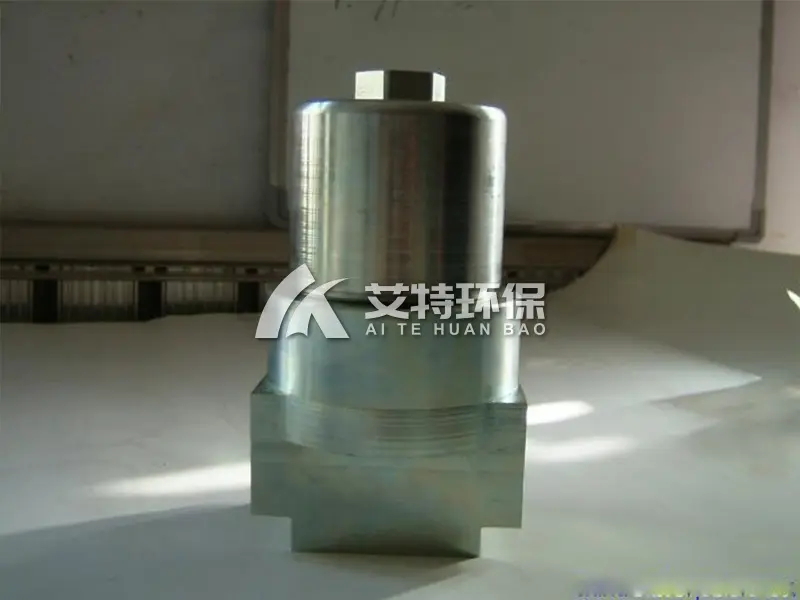
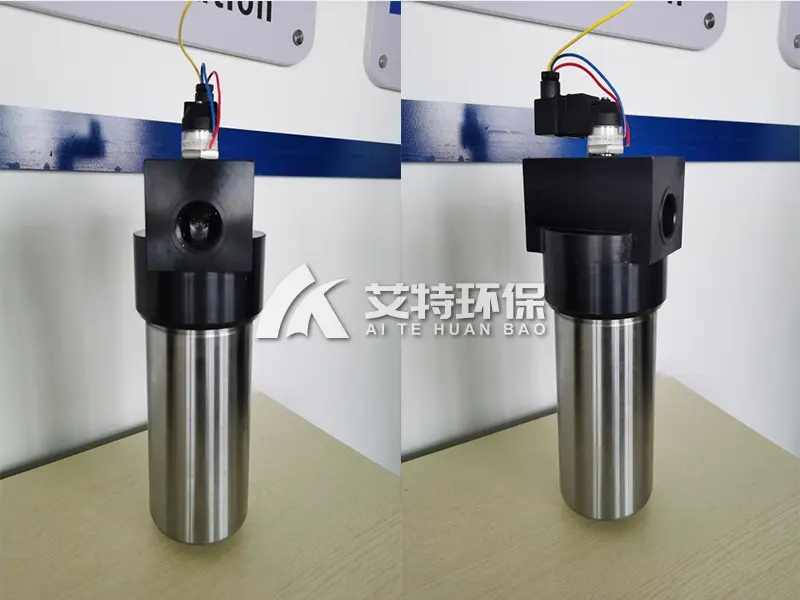
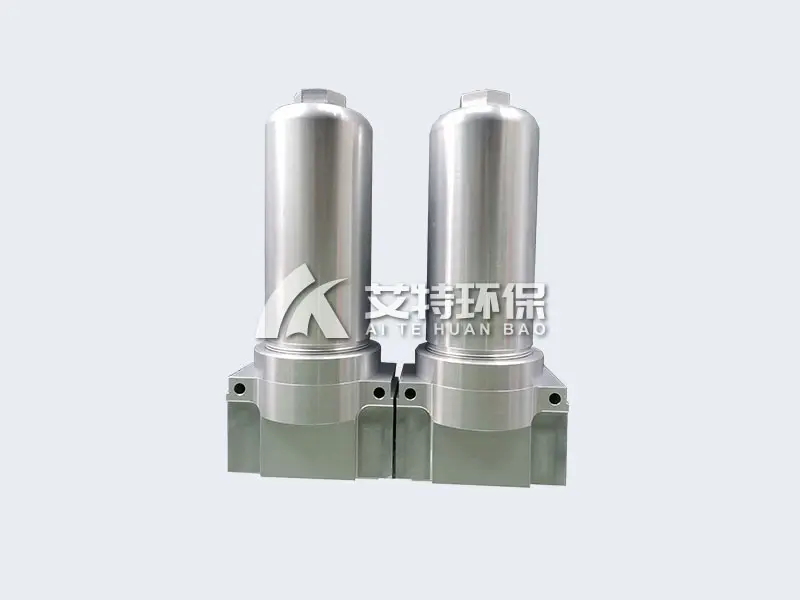
PLF.BH-H160*10P high pressure pipeline filter is a kind of high pressure filter, mainly installed in different grades of pressure pipelines
Product Overview
The PLF.BH-H160×10P high-pressure pipeline filter is a precision-engineered filtration component designed
for installation in high-pressure hydraulic pipelines across various pressure grades. This advanced filter serves
as a critical safeguard for hydraulic systems, effectively removing particulate contaminants and solid particles
from the fluid stream to protect system integrity and extend component service life. Specifically compatible with
water-glycol fluids, general hydraulic oils, and phosphate ester hydraulic oils, the PLF.BH-H160×10P delivers
reliable performance in demanding industrial environments where fluid cleanliness is paramount.
In modern hydraulic systems, even microscopic contaminants can cause significant damage to pumps, valves,
actuators, and other precision components. Abrasive particles accelerate wear, reduce efficiency, and ultimately lead
to premature component failure and unplanned downtime. The PLF.BH-H160×10P addresses this challenge through
advanced filtration media and thoughtful engineering, ensuring that hydraulic fluid maintains the cleanliness level
required for reliable, long-term system operation.
Technical Specifications
Parameter Specification
Compatible Media Water-glycol fluids, general hydraulic oils, phosphate ester hydraulic oils
Rated Flow 160 L/min
Filtration Accuracy 10 μm
Rated Pressure 32 MPa
Filter Material High-quality glass fiber
Filter Element Type 0160D010BN3HC
Monitoring Equipped with transmitter (differential pressure signaling)
Bypass Valve Integrated as standard
Performance Characteristics
The PLF.BH-H160×10P incorporates several design features that collectively deliver superior filtration performance
and operational convenience:
(1) Compact and Space-Saving Design
Compared to conventional filters with equivalent flow capacity, the PLF.BH-H160×10P features a remarkably compact structure with reduced overall dimensions. This space-efficient design is particularly advantageous in modern hydraulic power units and machinery where installation space is at a premium. The smaller footprint allows for more flexible system layouts and simplifies integration into existing equipment without extensive modification.
(2) Wide Operating Pressure Range
The filter is engineered to perform reliably across a broad spectrum of operating pressures, making it suitable for diverse
hydraulic applications. Whether installed in low-pressure return lines or high-pressure supply circuits,
the PLF.BH-H160×10P maintains consistent filtration efficiency without compromise. This versatility reduces inventory
requirements, as a single filter model can serve multiple pressure applications.
(3) Flexible Filter Element Replacement
User convenience is central to the filter's design philosophy. The PLF.BH-H160×10P offers two distinct methods for
filter element replacement, accommodating varying installation configurations and maintenance preferences:
· Top Access Method: Operators can open the upper cover and replace the filter element directly from above,
which is ideal for installations with ample overhead clearance.
· Bottom Access Method: Alternatively, the housing can be unscrewed (after relieving system pressure and draining oil) to
remove and replace the element from below. This option is valuable when vertical clearance is restricted.
This dual-access flexibility ensures that maintenance can be performed efficiently regardless of the filter's installation
orientation or surrounding equipment constraints.
(4) Reversible Flow Direction
The PLF.BH-H160×10P offers exceptional installation flexibility through its reversible flow capability. Should the standard
flow direction prove difficult to accommodate within a specific system layout, operators can simply remove the four screws
on the cover, rotate the cover assembly 180 degrees, and reattach. This simple adjustment reverses the medium flow
direction through the filter, allowing the unit to be installed in virtually any pipeline configuration without requiring
custom modifications.
(5) Dual-Protection Safety Features
The filter is equipped with both a bypass valve and a differential pressure signaling device, providing comprehensive system
protection:
· Bypass Valve: In the event that the filter element becomes severely clogged and is not replaced promptly, the bypass
valve opens to allow oil flow to continue, preventing pump cavitation, system starvation, or catastrophic pressure buildup.
This safety feature ensures that the hydraulic system remains operational even during maintenance oversights, albeit with
reduced filtration protection.
· Differential Pressure Signaling Device: A built-in transmitter continuously monitors the pressure differential across the filter
element. As contaminants accumulate on the element surface, the differential pressure gradually increases. When the
pressure reaches the preset alarm threshold, the signaling device sends a visual or electrical warning message to the
control system or operator, indicating that the filter element requires immediate replacement. This proactive monitoring
prevents the filter from operating in bypass mode unnecessarily and ensures consistent fluid cleanliness.
High-Performance Glass Fiber Media
The PLF.BH-H160×10P utilizes high-quality glass fiber filtration media, which offers several compelling advantages over
conventional materials:
· High Filtration Efficiency: The glass fiber matrix provides precise particle capture at the rated 10 μm accuracy, ensuring
removal of contaminants that cause abrasive wear in sensitive hydraulic components.
· Excellent Dirt-Holding Capacity: The depth-loading structure of glass fiber media allows for substantial contaminant storage,
extending service intervals and reducing maintenance frequency.
· Low Initial Pressure Drop: The media's open structure minimizes flow resistance when clean, optimizing system efficiency
and reducing energy consumption.
· Chemical Compatibility: Glass fiber is compatible with a wide range of hydraulic fluids, including water-glycol mixtures,
phosphate esters, and mineral oils, without degradation or media migration.
Application Fields
The PLF.BH-H160×10P is deployed across numerous industries requiring high-pressure hydraulic filtration:
· Steel and Metallurgy: Hydraulic systems in rolling mills, continuous casting machines, and forging presses
· Power Generation: Turbine control systems, EHC (Electro-Hydraulic Control) circuits, and steam valve actuators
· Offshore and Marine: Subsea control systems, deck machinery, and dynamic positioning thrusters
· Heavy Machinery: Injection molding machines, hydraulic presses, and material handling equipment
· Petrochemical: Pump station hydraulic systems and critical process control circuits
Frequently Asked Questions
Q1: What is the filtration accuracy of the PLF.BH-H160×10P?
The filter provides a nominal filtration accuracy of 10 μm (absolute). This level is suitable for protecting most industrial
hydraulic components, including proportional and servo-valves. For applications requiring finer filtration, please contact
our technical team for alternative element options.
Q2: Can the PLF.BH-H160×10P be used with fluids other than those listed?
The standard configuration is designed for water-glycol fluids, general hydraulic oils, and phosphate ester hydraulic oils.
For other fluid types, including synthetic oils or special fire-resistant fluids, please consult our engineering team to verify
seal material compatibility and element media suitability.
Q3: How does the differential pressure transmitter work?
The transmitter measures the pressure difference between the filter inlet and outlet. As the filter element accumulates
contaminants, this differential pressure rises. When the preset alarm point is reached (typically 0.3–0.5 MPa above clean
differential pressure), the transmitter sends an electrical signal or activates a visual indicator. This signal can be integrated
with plant SCADA or DCS systems for remote monitoring and condition-based maintenance scheduling.
Q4: What is the bypass valve set pressure?
The bypass valve is factory-preset to open at a differential pressure of approximately 0.5–0.6 MPa. This setting ensures that
bypass activation occurs only after the differential pressure alarm has been triggered and sufficient time has been allowed
for maintenance action.
Q5: How often should the filter element be replaced?
Replacement intervals depend on system contamination levels, operating hours, and fluid condition. We recommend
monitoring the differential pressure transmitter signal and replacing the element when the alarm activates.
If no transmitter is installed, scheduled inspection every 1,000–2,000 operating hours is advisable, with replacement indicated
by elevated pressure drop.
Q6: Can I change the filter element without completely draining the system?
Yes. The filter design includes a drain port and the bypass valve prevents complete fluid loss. However, some oil drainage
is necessary for bottom-access element changes. For top-access replacements, minimal fluid loss occurs. Always depressurize
the system before performing any maintenance.
Q7: Is the filter element reusable or cleanable?
The glass fiber filter element is a disposable component. Due to the depth-loading filtration mechanism, cleaning is not
effective and may damage the media structure. Always replace with a genuine manufacturer-approved element to ensure
specified performance.
Q8: What if my installation requires a different flow direction?
The cover can be rotated 180 degrees by removing the four cover screws, rotating the assembly, and reattaching. This simple
modification reverses the flow direction without the need for additional piping modifications or special adapters.
Q9: What maintenance procedures are recommended for the bypass valve and transmitter?
The bypass valve is a mechanical safety device that requires minimal maintenance. The transmitter should be checked
periodically for correct electrical output and calibration, especially after element replacements. We recommend annual
functional testing of the signaling device.
Q10: Can the filter be used in outdoor or harsh environmental conditions?
Yes. The PLF.BH-H160×10P features a robust housing with corrosion-resistant coatings suitable for industrial environments.
For extreme conditions (coastal, chemical exposure, or high humidity), optional upgraded coatings and materials are available
upon request.
For custom configurations, alternative element ratings, or application-specific engineering support, please contact our
technical team. Specifications are subject to continuous improvement and may be updated without prior notice.
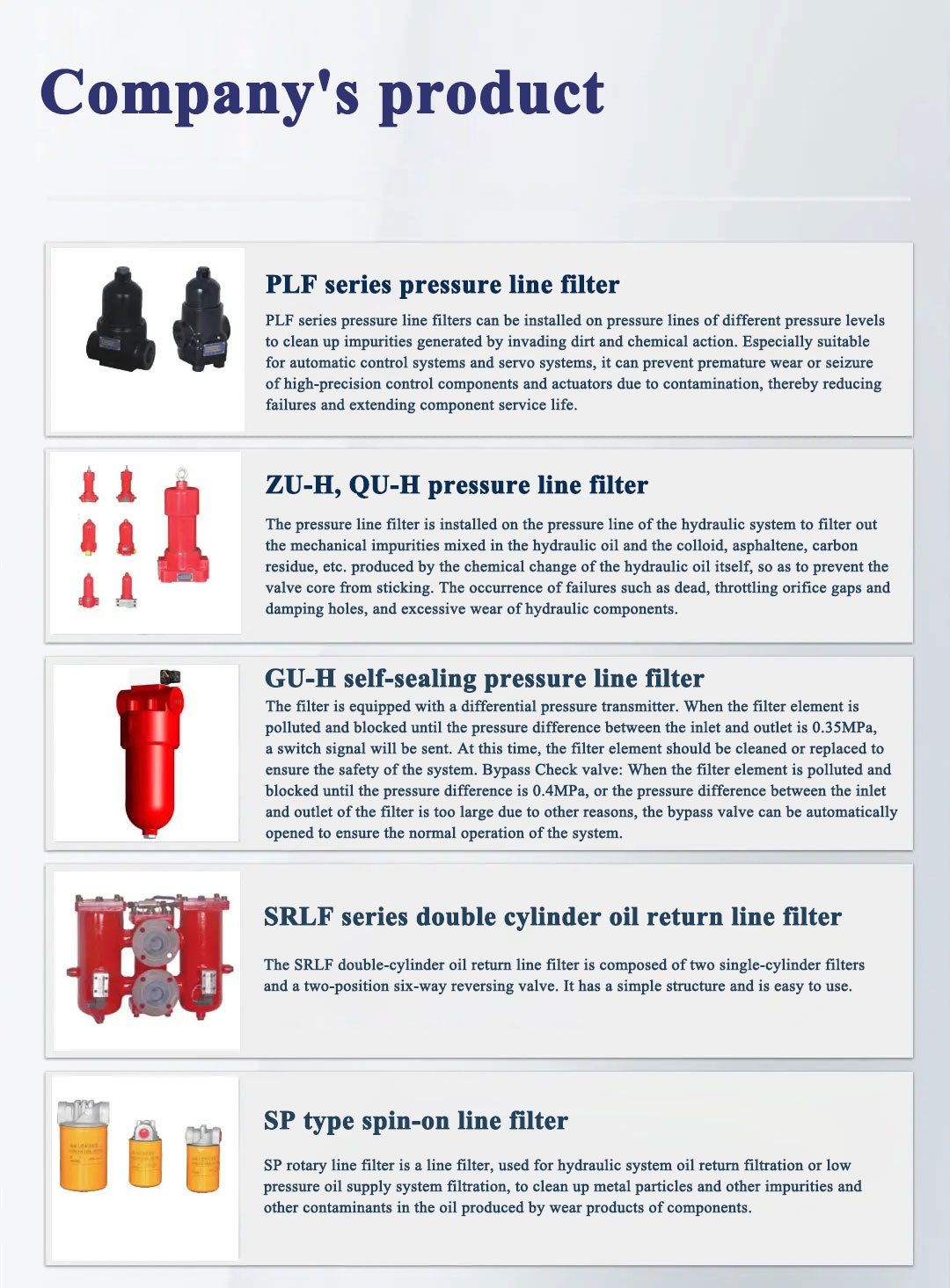
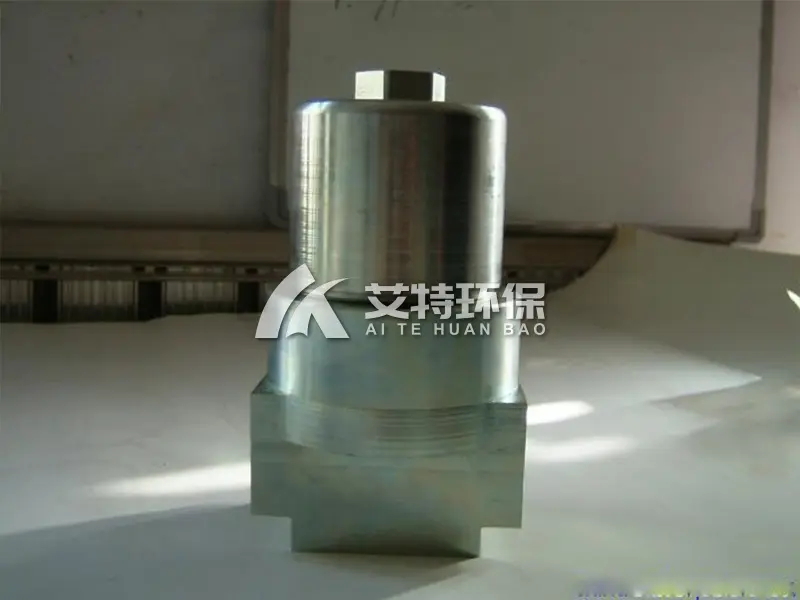
PLF.BH-H160*10P high pressure line filter
Similar ProductsVIEW MORE >
WhatsApp / Wechat: +8613273719759
Factory Address: Zhengshang Navigation Square, South Hanghai Road, Erqi District, Zhengzhou City, Henan Province P.R.China.


 Export01@aiteeps.com
 ++8613273719759
