
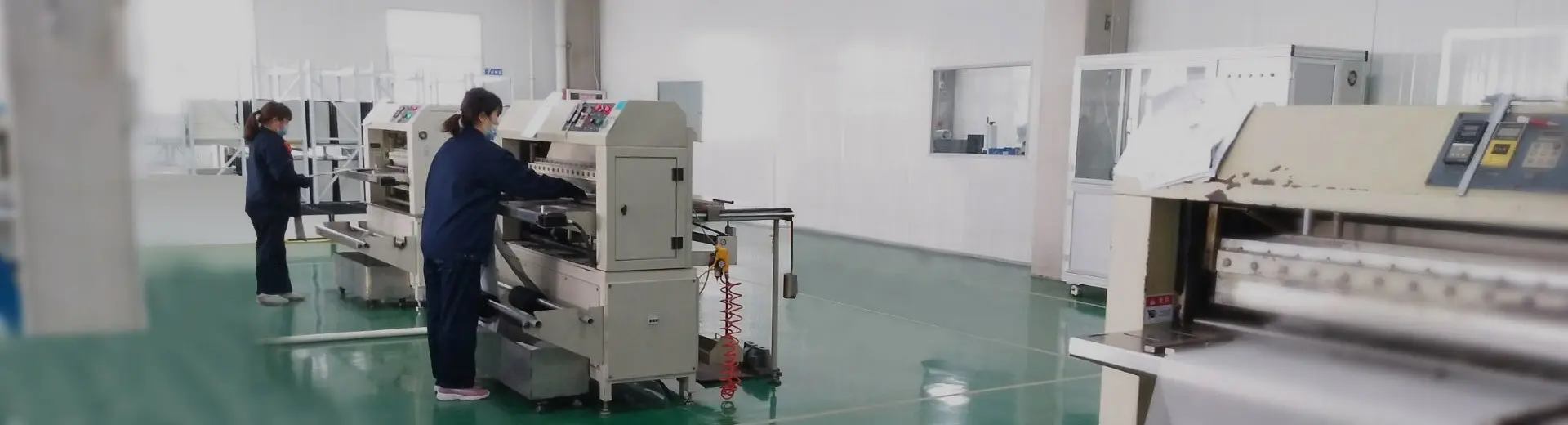
You can understand the equipment condition without being on site.
Group news Industry information
2026-10-21
Insulating oil and turbine oil act as the core working medium for power equipment including transformers, reactors, steam turbines and governors. During long-cycle operation, oil inevitably deteriorates under combined effects of heat, oxygen, moisture, mechanical shearing and catalytic metal surfaces.
VIEW MORE +2026-10-21
High-temperature operating environments present unique challenges for lubricating and insulating oil systems. In thermal power facilities, hot process workshops, and tropical field sites, oil is continuously exposed to sustained thermal stress. Moisture enters the oil through seal degradation, breathers, and condensation. Under high heat, water rapidly accelerates additive hydrolysis, speeds up oil oxidation, and promotes the formation of corrosive sludge.
VIEW MORE +2026-10-21
High-temperature operating scenarios, including thermal power units, industrial heat-intensive workshops and tropical field stations, impose severe thermal stress on lubricating and insulating oil. When oil circulates near high-temperature components, its physical and chemical stability deteriorates easily. Even a small amount of water mixed into the oil will trigger a series of adverse reactions under heat: moisture accelerates additive hydrolysis, promotes oil oxidation and sludge generation, and forms corrosive substances that erode metal surfaces and insulating materials.
VIEW MORE +2026-10-21
Power station transformers, reactors and oil-filled high-voltage switches rely heavily on insulating oil to deliver two core functions: electrical insulation and heat dissipation. During long-term continuous operation, insulating oil inevitably absorbs moisture, dissolves gas and accumulates fine solid contaminants. Moisture is the biggest threat to dielectric strength; even trace water molecules can sharply lower the breakdown voltage of oil, creating hidden risks of partial discharge, tracking and insulation breakdown. Dissolved fault gases such as acetylene, hydrogen and carbon monoxide signal abnormal discharge or overheating inside equipment, while carbonized particles and oxidation sludge form conductive paths that further weaken insulation performance.
VIEW MORE +2026-10-10
High-temperatureworkingconditionsputoilsystemsunderdoublepressure.Inhotplants,tropicalinstallationsa
VIEW MORE +2026-09-29
Substationoperationandmaintenancedependsoninsulatingoilthatstaysclean,dryandfreeofdissolvedgas.Trans
VIEW MORE +2026-09-29
High-altitudeinstallationssuchasmountainsubstations,plateauwindandsolarfarmsanduplandhydropowerplant
VIEW MORE +2026-09-29
High-altitude sites place demanding conditions on the purification of insulating oil. Mountainous substations, plateau wind and solar plants and high-elevation hydropower stations operate at reduced atmospheric pressure, with thin air, strong temperature swings and frequent cold weather.
VIEW MORE +2026-09-29
Purifying insulating oil in low-temperature conditions demands a different operating discipline than normal weather. Cold ambient temperature raises the viscosity of insulating oil, so flow slows and pressure drop across the filters climbs, and the vacuum degassing stage becomes less efficient if the oil is too cold.
VIEW MORE +2026-09-29
Turbine oil in power plants carries two responsibilities at the same time: it lubricates the turbine and generator bearings, and it acts as the working fluid for the governing and trip systems. During service the oil constantly takes up air through seals, breathers, pump cavitation and the churning of the oil system, so entrained air bubbles and dissolved gas accumulate. Gas-laden oil is compressible, which weakens the oil film on bearings and makes governor response less certain, and foam in the reservoir can interfere with oil flow and level indication.
VIEW MORE +
WhatsApp / Wechat: +8613273719759
Factory Address: Zhengshang Navigation Square, South Hanghai Road, Erqi District, Zhengzhou City, Henan Province P.R.China.