
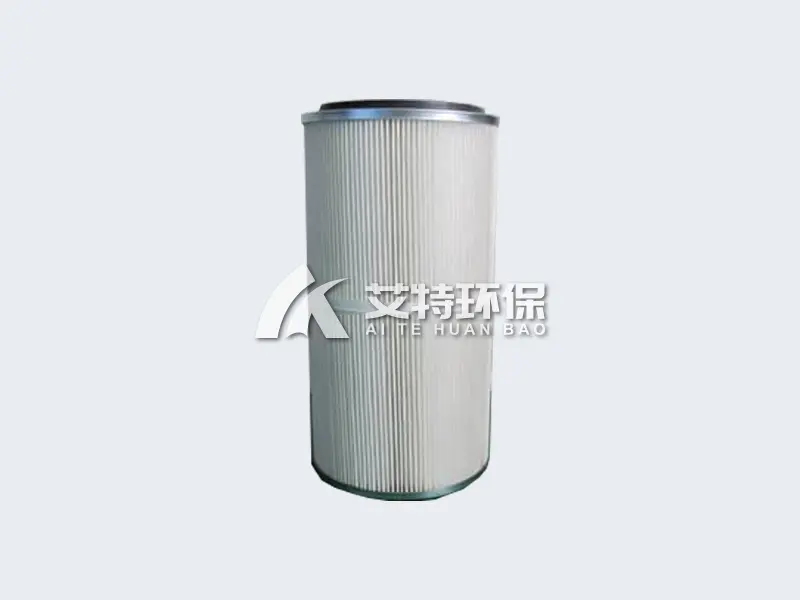
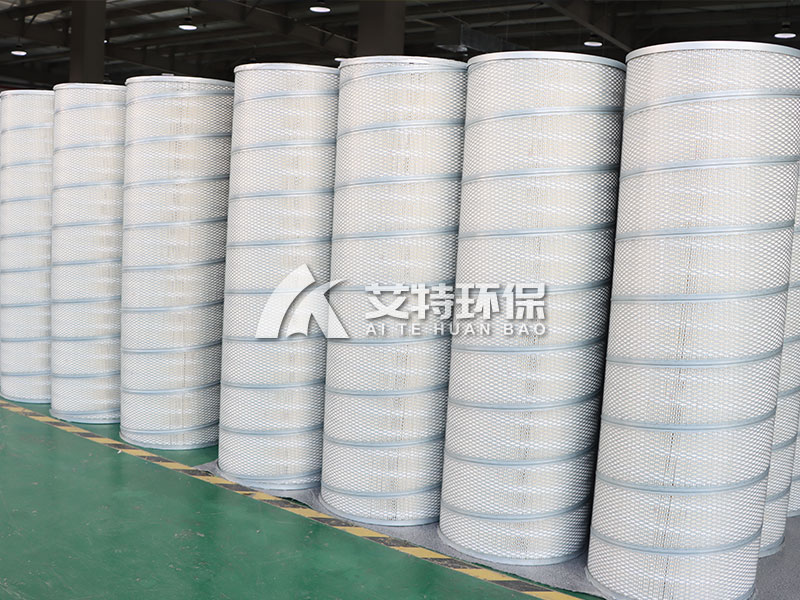
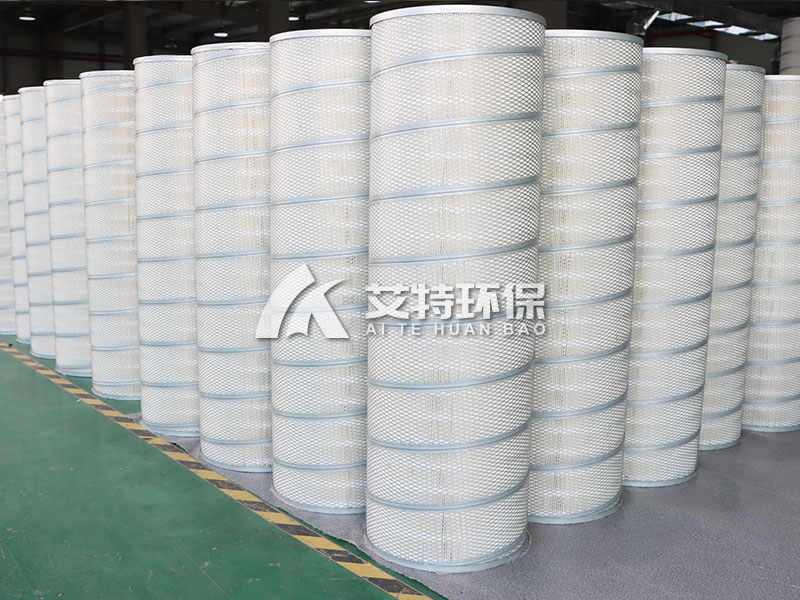
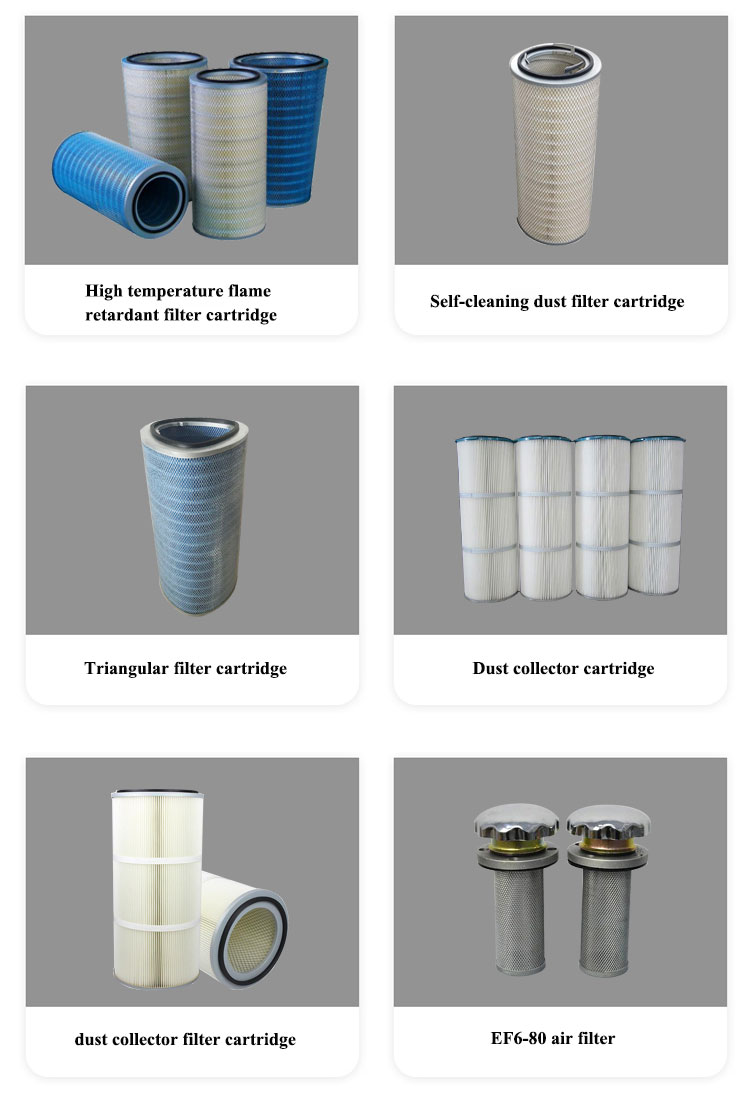
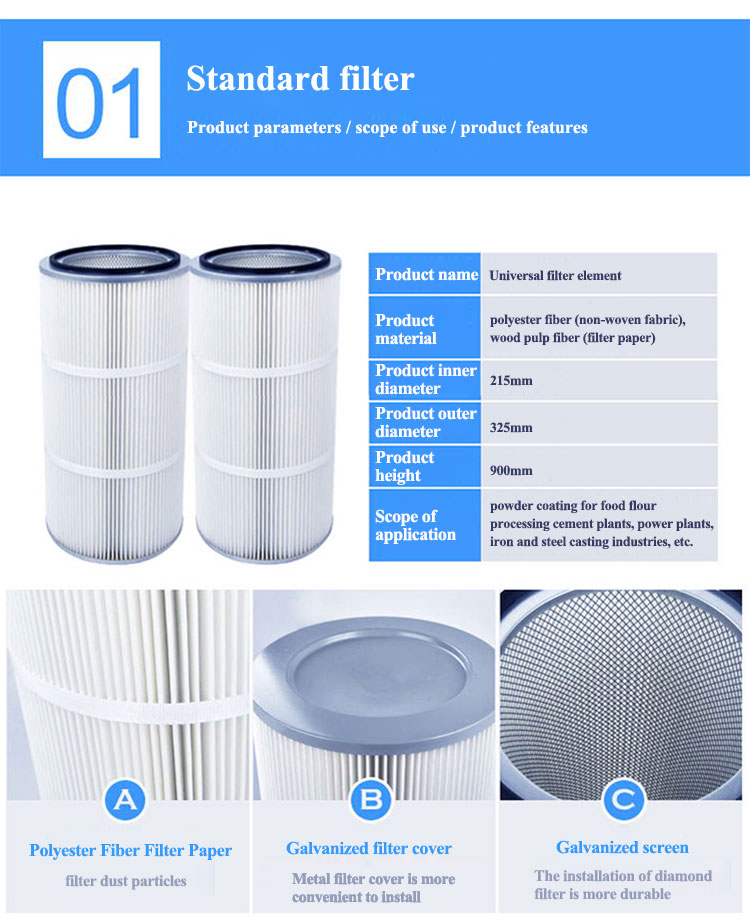
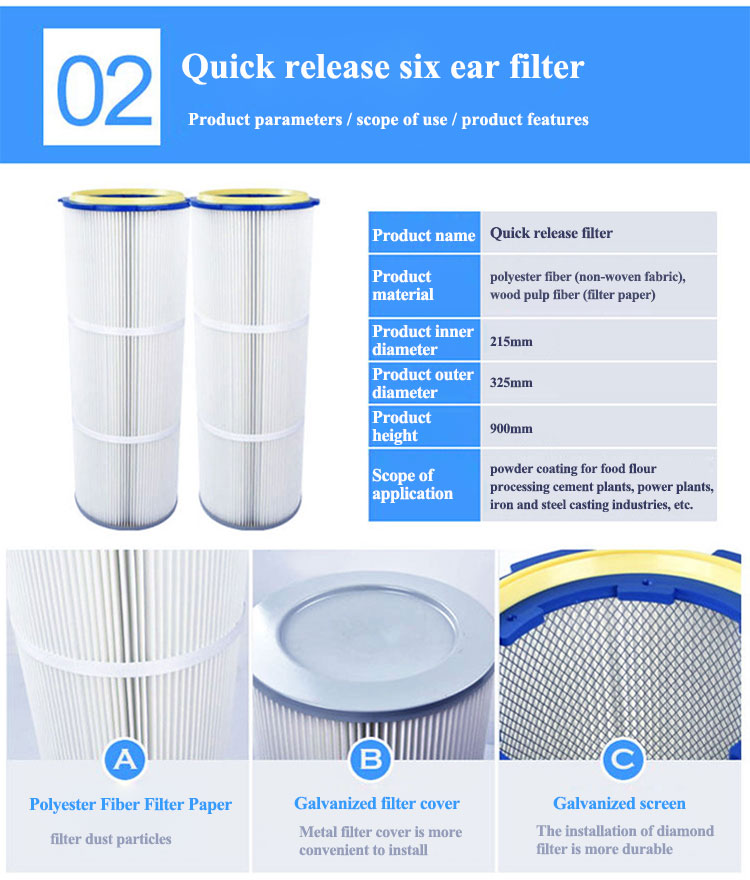
Wood pulp fiber air filter element is a kind of filter, also known as air filter cartridge, air filter, style, etc. Mainly used for air filtration of engineering locomotives, automobiles, agricultural locomotives, laboratories, and sterile operating rooms.
The Wood Pulp Fiber Air Filter Element is a high-performance filtration component designed
for a wide range of air intake and ventilation applications. Also known as air filter cartridges or air filters,
these elements provide reliable particulate removal for engineering locomotives, automotive engines,
agricultural machinery, laboratory clean air systems, and sterile operating room ventilation.
Manufactured from high-grade wood pulp fiber media, these filters offer an optimal balance of filtration efficiency,
airflow capacity, and mechanical durability, making them a cost-effective solution for both mobile and stationary equipment.
Technical Specifications
Parameter Specification
Model Wood Pulp Fiber Air Filter Element
End cap material Carbon steel (standard); stainless steel optional
Filter media High-grade wood pulp fiber paper (resin-impregnated)
Frame/support Perforated plate or diamond mesh (provides structural integrity)
Standard filtration precision 10 μm
Custom precision Available upon request (5–20 μm)
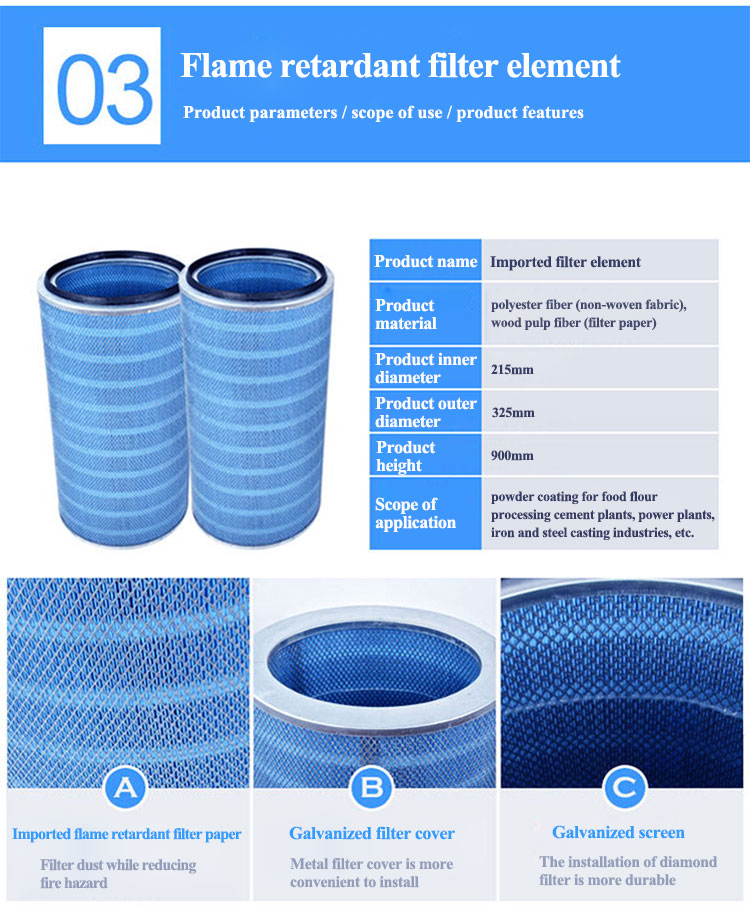
Media treatment Water-resistant, oil-resistant, or flame-retardant options available
Temperature range Standard: –20°C to +80°C
Key Performance Characteristics
1. Superior Air Permeability – The natural fiber structure of wood pulp media provides excellent airflow
with minimal resistance, enabling high filtration velocities and reduced energy consumption.
2. High Filtration Efficiency – The depth-loading filtration mechanism captures particles throughout the
media thickness, achieving reliable removal of particulate contaminants down to 10μm (standard) with
custom precision options available.
3. Large Filtration Area – Pleated design maximizes media surface area within a compact element,
extending dust-holding capacity and service intervals.
4. High Dust-Holding Capacity – The porous fiber structure accommodates significant contaminant loading
before reaching terminal pressure drop, reducing maintenance frequency.
5. Excellent Mechanical Strength – The wood pulp fiber media allows for high deformation tolerance with
exceptional toughness, providing strong tensile and fracture resistance during handling and operation.
6. Flexible Installation – Lightweight and easy to handle, these filter elements can be quickly installed and
replaced without specialized tools, reducing maintenance downtime.
7. Durable Frame Construction – Perforated plate or diamond mesh support provides protection against
deformation and ensures consistent pleat spacing under varying airflow conditions.
Available Media Treatments
Treatment Option Benefit
Standard General-purpose dry air filtration
Water-resistant For high-humidity or condensing environments
Oil-resistant For applications with oil mist or crankcase blow-by
Flame-retardant For fire-safety critical installations
Anti-static For combustible dust or explosive atmosphere applications
Applications
1. Machine Tool Industry
Hydraulic transmission and control systems are used in 85% of machine tool applications, including:
· Grinders, milling machines, and planers
· Broaching machines and presses
· Shears and combined machine tools
· CNC machining centers
2. Metallurgical Industry
Hydraulic technology is extensively applied in:
· Electric furnace control systems
· Rolling mill control systems
· Open hearth charging systems
· Converter control systems
· Blast furnace control systems
3. Construction & Earthmoving Machinery
Widely used in hydraulic systems of:
· Excavators and tire loaders
· Truck cranes and tire cranes
· Crawler bulldozers
· Self-propelled scrapers
· Graders and vibratory road rollers
4. Mobile Equipment
· Engineering locomotives and heavy-duty trucks
· Agricultural tractors and harvesters
· Off-highway mining and construction vehicles
5. Specialty Environments
· Laboratory clean air systems
· Sterile operating room ventilation
· Paint booth intake air filtration
· Compressor intake air purification
Maintenance Guidelines
1. Regular Inspection – Inspect filter elements at scheduled intervals or when a noticeable reduction in airflow is observed.
2. Monitor Differential Pressure – Replace the element when pressure drop exceeds the manufacturer's
recommended limit (typically 2–3× initial clean reading).
3. Cleaning (if applicable) – For washable variants, gently tap to dislodge loose dust or use low-pressure
compressed air (≤0.3 MPa) directed from the clean side outward. Do not use liquids on standard paper media.
4. Inspection on Removal – Check for tears, pleat deformation, seal damage, or signs of oil/water saturation.
Replace immediately if any damage is found.
5. Proper Handling – Avoid dropping, crushing, or folding the filter element during handling and installation
to maintain pleat integrity and sealing effectiveness.
FAQ
Q1: What is wood pulp fiber filter media and why is it used?
A: Wood pulp fiber media is manufactured from specially processed natural cellulose fibers with resin
impregnation for strength and stability. It offers excellent air permeability, high dust-holding capacity,
and cost-effectiveness, making it ideal for general-purpose air filtration in both mobile and stationary equipment.
Q2: What is the standard filtration precision and can I get other ratings?
A: The standard precision is 10μm. We offer custom precision from 5μm to 20μm upon request.
For applications requiring higher efficiency (sub-micron), we recommend our synthetic fiber or glass fiber filter elements.
Q3: How does the filtration performance compare to synthetic fiber elements?
A: Wood pulp fiber elements provide excellent depth-loading filtration with high dust capacity at a lower cost.
Synthetic fiber elements offer superior moisture resistance, longer service life in wet conditions,
and higher efficiency for sub-micron particles. Selection depends on your specific operating environment and budget.
Q4: Are these filter elements washable and reusable?
A: Standard wood pulp fiber elements are NOT washable. Attempting to wash them will destroy the
fiber structure and reduce filtration efficiency. For washable applications, please consider our synthetic
fiber or metal mesh products.
Q5: What is the maximum operating temperature?
A: Standard elements with resin-impregnated wood pulp media are rated for continuous operation
from –20°C to +80°C. For higher temperature applications, we offer specialty media options up to 120°C.
Please specify your temperature requirements when ordering.
Q6: How do I know when to replace the filter element?
A: Replace when: (1) The pressure drop gauge or indicator shows excessive restriction; (2) System
airflow drops noticeably below normal; (3) Visual inspection shows tears, damage, or oil/water contamination;
(4) The recommended service interval has been reached.
Q7: Can this filter element be used for dust collection systems?
A: Yes. While primarily designed for intake air filtration, these elements are also suitable for light to medium
dust collection applications where filtration precision of 10μm is acceptable. For heavy dust loads,
we recommend our heavy-duty cartridge dust collector elements.
Q8: What is the difference between perforated plate and diamond mesh support frames?
A: Perforated plate provides maximum structural support and is preferred for high-pressure or heavy-duty
applications. Diamond mesh offers lighter weight and better airflow distribution while still providing adequate
support for most applications.
Q9: Are there oil-resistant or water-resistant versions available?
A: Yes. We offer media with oil-resistant and water-resistant treatments for applications exposed to crankcase blow-by,
humid environments, or oil mist. Please specify your media requirement when ordering.
Q10: Do you offer custom sizes for non-standard equipment?
A: Yes. While we maintain stock of standard sizes for common equipment, we can custom-manufacture filter
elements to your specific dimensions, end cap configurations, and precision requirements.
Q11: Can these filters be used in explosive or flammable environments?
A: For combustible dust or flammable gas environments, we recommend our anti-static or flame-retardant treated elements.
These options are designed to prevent static charge buildup and resist ignition. Please consult our technical team
for ATEX-certified or NFPA-compliant solutions.
Q12: What is the typical service life of a wood pulp fiber air filter element?
A: Service life varies significantly based on operating conditions. In moderate dust environments,
elements typically last 3–6 months. Heavy dust loads or off-highway applications may require monthly replacement.
Monitoring pressure drop is the most reliable method for determining replacement timing.
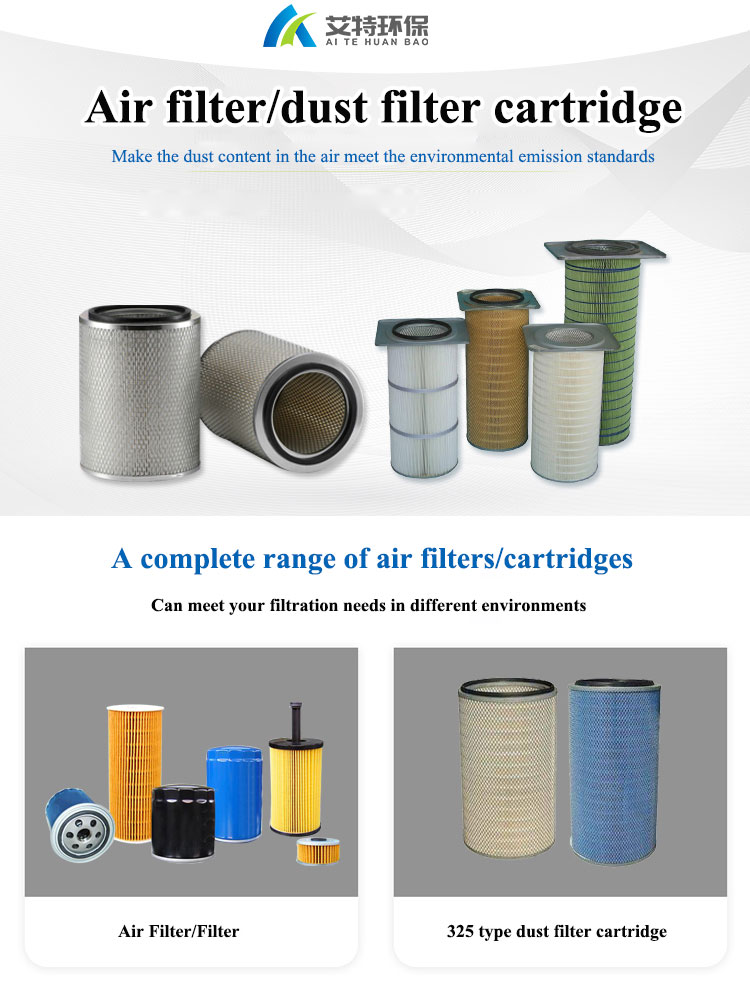
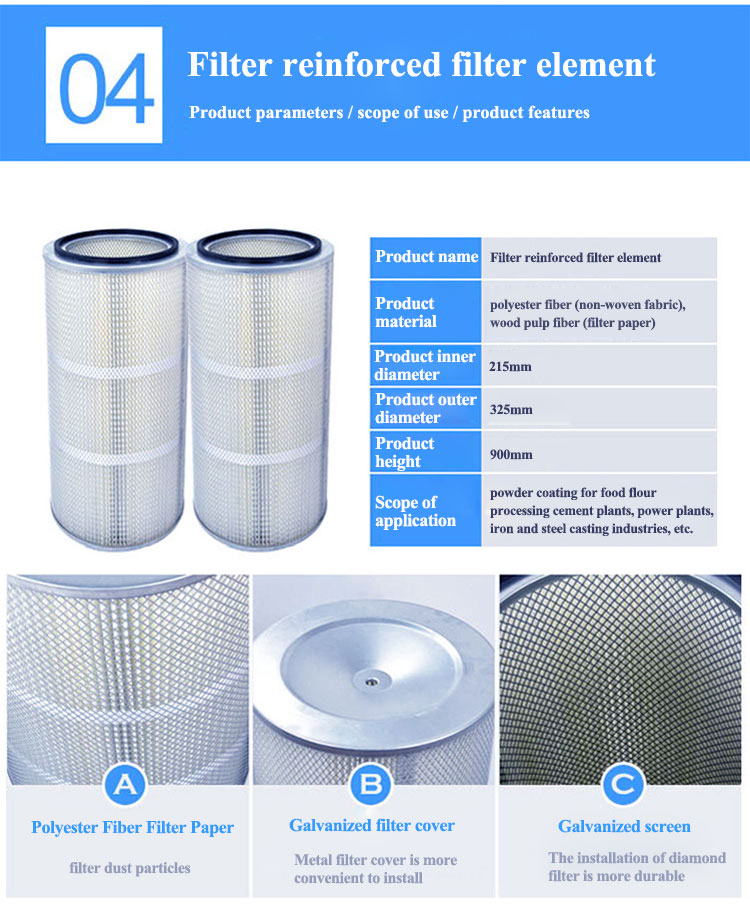
Wood pulp fiber air filter
Similar ProductsVIEW MORE >
WhatsApp / Wechat: +8613273719759
Factory Address: Zhengshang Navigation Square, South Hanghai Road, Erqi District, Zhengzhou City, Henan Province P.R.China.


 Export01@aiteeps.com
 ++8613273719759
